2026 Top Water Irrigation Hose Which Is Best?
Choosing the best Water Irrigation Hose in 2026 is not as simple as picking the thickest or most expensive model. Gardeners, greenhouse operators, and small farm owners face different watering demands. A balcony planter needs flexibility and compact storage. A vegetable bed may require steady pressure over a longer distance. These differences matter.
This guide examines hose materials, inner diameter, burst resistance, fittings, flexibility, and water delivery. It also considers sunlight, freezing temperatures, dragging across gravel, and repeated bending near taps. A reliable hose should deliver consistent flow without twisting every few minutes. Its connectors should fit securely and resist leaks. Small details often decide whether watering feels effortless or frustrating.
No single product is perfect. A reinforced PVC hose may handle pressure well but feel stiff in cold weather. A lightweight fabric hose may store easily but suffer damage against sharp surfaces. I have also found that advertised lengths can feel shorter after expansion or awkward coiling. That deserves attention. Real performance depends on installation, water pressure, storage habits, and local climate. This comparison focuses on practical use rather than attractive packaging or vague claims. It aims to help readers match each Water Irrigation Hose with the right landscape, crop, and budget. The final choice should be based on measured needs, trusted specifications, and honest user experience. Performance comes before appearance.
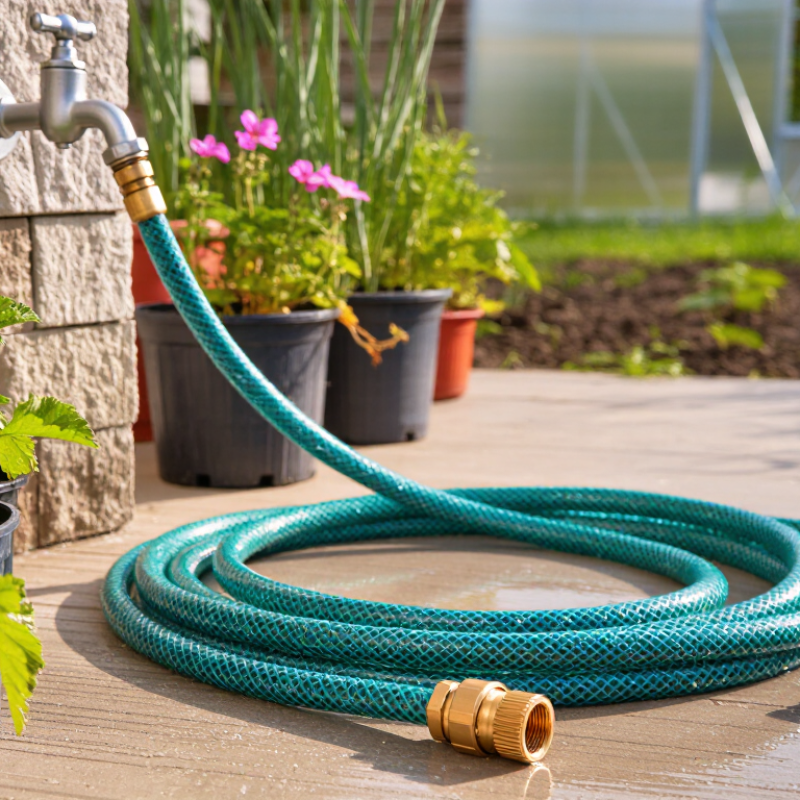
What Is a Water Irrigation Hose and How Does It Work?
2026 Top Water Irrigation Hose: Which Is Best?
What Is a Water Irrigation Hose and How Does It Work?
A water irrigation hose is a flexible tube that delivers water directly to plants. It supports gardens, greenhouse beds, containers, and small agricultural areas. Unlike a standard hose, it can release water through tiny openings or attached emitters. This reduces surface spraying and helps limit unnecessary evaporation.
Water enters the hose under pressure from a tap, pump, or storage tank. A filter removes grit that could block narrow passages. A pressure regulator then protects the hose from excessive force. As water travels through the tube, emitters release slow, measured drops near plant roots. Hose diameter, wall thickness, and spacing affect the final flow rate.
In practical use, even water distribution depends on installation quality. I once placed a hose on uneven soil, and several plants received too much water. That mistake showed me that “slow flow” does not always mean equal flow. Sunlight, heat, and sharp stones can also weaken the material over time.
Tips: Measure the planting area before choosing hose length. Flush the hose before connecting emitters. Check fittings for small leaks. Keep the hose shaded when possible. Avoid tight bends, because they can restrict water flow. Test one section first, then adjust spacing or pressure.
Which Irrigation Hose Types Are Available in 2026?
In 2026, irrigation hoses are available in several practical forms. Each suits a different watering problem. Lay-flat hoses handle temporary field irrigation and store easily after use. Reinforced braided hoses tolerate higher pressure and frequent movement. They work well in nurseries, greenhouses, and small farms.
Dripline hoses release water through built-in emitters beside plant roots. They reduce surface evaporation and support row crops, containers, and hedges. Soaker hoses seep along their walls, creating gentle moisture around vegetable beds. Micro-perforated hoses spray a fine pattern across narrow planting areas. Porous hoses can be useful, but their output may become uneven as pressure changes.
FAO’s AQUASTAT data indicates that agriculture accounts for about 70% of global freshwater withdrawals. That figure makes delivery efficiency more important than hose appearance. The U.S. Department of Agriculture’s NRCS standards also emphasize pressure control, filtration, and proper layout for efficient irrigation. In field use, clogged filters remain a common failure point. I still see users choosing a hose by diameter alone. That is not enough. Check water pressure, soil texture, slope, sunlight, and expected movement. A cheap soaker hose may perform poorly on compacted soil. A sturdy reinforced hose may waste water if left spraying bare ground. No hose wins every site.
2026 Top Water Irrigation Hose: Which Type Is Best?
Common irrigation hose types available in 2026, compared by representative nominal inside diameter.
Dripline is usually the best choice for precise, low-volume watering. Soaker hose works well for garden beds and rows of plants, while reinforced garden hose is more versatile for manual watering. Lay-flat and PVC discharge hoses are better suited to moving larger volumes of water over longer distances. The sizes shown are representative nominal inside diameters; actual specifications vary by construction and application.
How to Compare Hose Materials, Sizes, Pressure, and Durability
In 2026, choosing a top water irrigation hose starts with material, not appearance. PVC hoses are light and affordable, but they can stiffen under strong sunlight. Rubber handles heat and frequent movement better, although it feels heavier during installation. Polyurethane offers flexibility and abrasion resistance, yet its higher cost may not suit every garden. I have found that a hose dragging across rough concrete needs stronger outer protection than one used on soft soil.
Size directly affects water delivery. A narrow hose is easier to carry, but it may reduce flow across long beds. A wider hose can supply sprinklers more steadily, especially when the water source is distant. Measure the hose length carefully. Extra loops create storage problems and may encourage kinking. A 25-meter hose can lose noticeable pressure when paired with several fittings and bends.
Check working pressure before connecting irrigation equipment. Do not rely only on burst-pressure figures, because they describe failure limits rather than safe operation. Match the hose rating with your pump or household supply, leaving a sensible margin. Durability also depends on connectors, bend protection, and storage. Keep the hose away from sharp edges and drain it before freezing weather. I once left water inside a hose through a cold night, and the damage appeared weeks later. That mistake changed my testing routine, although it did not make my choices perfect. Some hoses still develop small cracks near the inlet after heavy seasonal use.
How to Install, Maintain, and Choose the Right Hose Safely
Choosing a water irrigation hose in 2026 starts with the garden, not the advertisement. Measure the distance, water pressure, and daily exposure to sunlight. A hose with a suitable pressure rating reduces bursts and sudden movement. For vegetable beds, use materials approved for irrigation contact, but never assume every hose is safe for drinking water.
Installation should be calm and practical. Turn off the water before connecting fittings. Check that washers sit flat and threads are not crossed. Add a pressure regulator when the supply feels forceful. Support heavy connectors instead of letting them hang from soft tubing. Keep the hose away from sharp stones, hot surfaces, and vehicle paths. Leave gentle curves.
Do not stretch it tight.
During use, inspect joints for dripping, swelling, or pale cracks. Small leaks can waste surprising amounts of water. Flush the hose after long storage, then drain it fully before coiling. Store it in shade, away from chemicals and rodents. I have found that loose coils last longer than tightly twisted ones, although this is easy to forget during busy watering days. Replace damaged sections rather than hiding them under mulch. A quick pressure test before each season can reveal weak spots, but pressure readings may vary between homes. Follow local plumbing and backflow requirements, especially where irrigation connects to household water.