What is a backyard playground and how to build one?
A backyard playground is a magical space that offers children the freedom to explore and play. According to renowned playground designer, David B. Lee, “A well-designed playground can inspire creativity and build confidence in kids.” The concept goes beyond mere swings and slides. It can include climbing structures, sandboxes, and creative play zones.
Building a backyard playground requires careful planning. Homeowners must consider safety, space, and the interests of their children. Factors such as appropriate materials and age-appropriate equipment are vital. It can be tempting to rush in and purchase everything at once. However, taking time to plan can lead to better choices.
Designing a backyard playground can also present challenges. Not every backyard has the perfect layout. Hidden potential can exist in unusual spaces. Reflecting on what works best for your yard may take time. Yet, the joy of seeing children engage in play is worth the effort. A well-thought-out backyard playground can become a cherished family gathering spot.
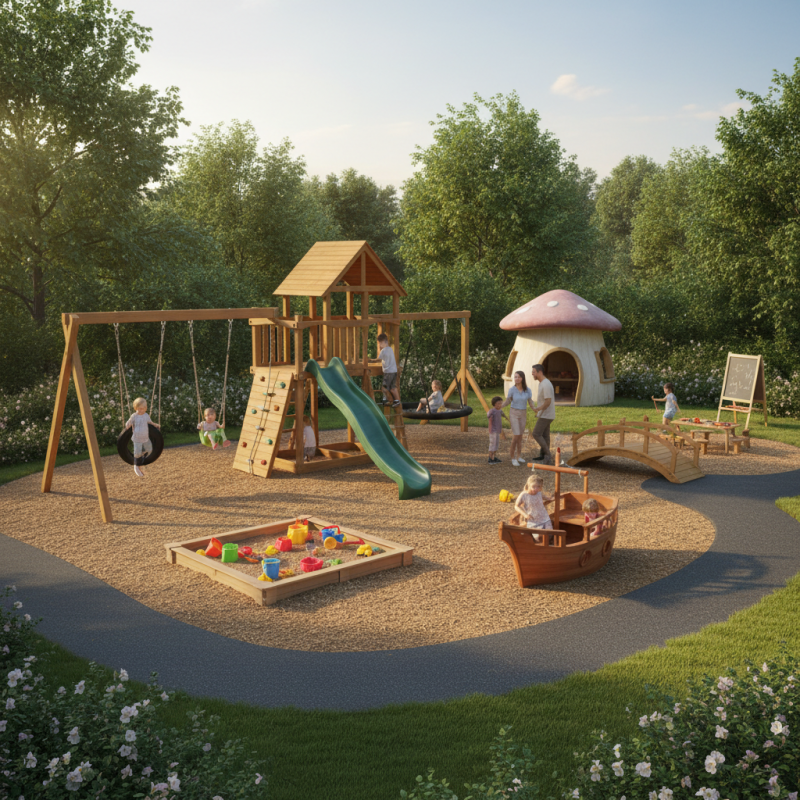
What is a Backyard Playground?
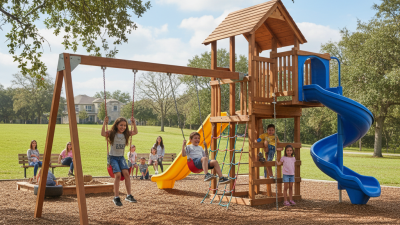
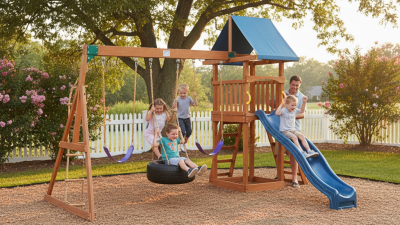
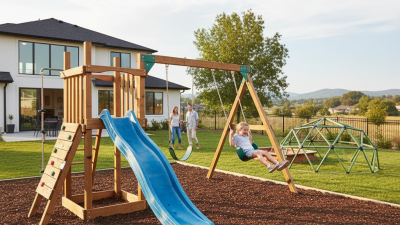
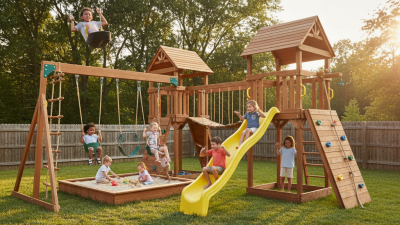
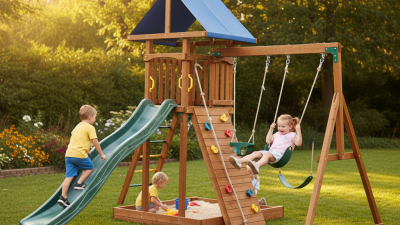
A backyard playground is a fun space designed for children to play and explore. It can include swings, slides, and climbing structures. The goal is to create a safe environment for kids to enjoy outdoor activities.
Building a playground requires careful planning. Start with a clear idea of the available space. A small yard may limit your options. Consider your children's ages and interests. Young kids need different equipment than older ones.
**Tips:** Choose durable materials. Wood, metal, and plastic are common choices. Ensure the ground is soft. Grass, rubber mulch, or sand can help cushion falls.
Collect feedback from your kids. Ask them what they would like. Their input can inspire creativity. You might overlook some fun elements that could make a big difference.
**Tips:** Regular safety checks are essential. Look for wear and tear on equipment. Update or replace anything damaged. Involve your children in this process to teach responsibility.
Designing a backyard playground can be a memorable project. Embrace the challenge. There might be mistakes along the way. Each oversight is an opportunity to improve the space for fun and safety.
Benefits of Having a Backyard Playground for Children
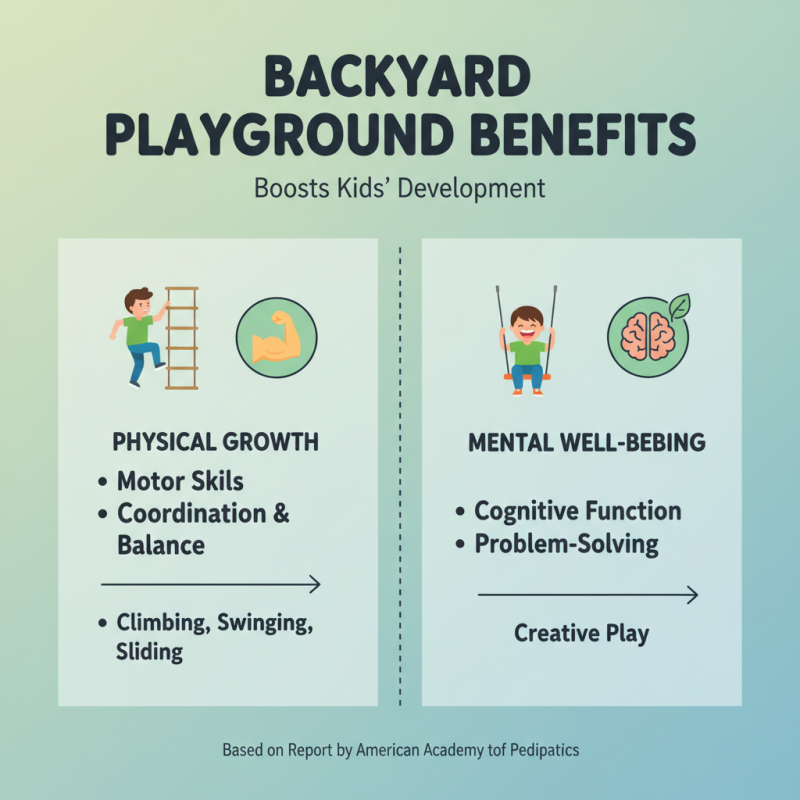
A backyard playground offers numerous benefits for children's physical and mental development. According to a report by the American Academy of Pediatrics, outdoor play can significantly enhance children's motor skills. Engaging in activities like climbing, swinging, and sliding helps develop coordination and balance. These skills are vital for overall growth and active lifestyles.
Moreover, having a dedicated play area can improve social skills. Children learn to share, take turns, and resolve conflicts while playing together. A study by the National Association for the Education of Young Children highlights that play is essential for social-emotional learning. It allows kids to express their feelings and build friendships, fostering emotional resilience.
However, setting up a backyard playground requires careful planning. Safety should be a priority. Choosing the right materials and ensuring proper installation can be challenging. Some parents may struggle with this aspect, leading to concerns about injuries. Regular maintenance is also required to keep the playground safe and engaging. Despite these challenges, the benefits of a backyard playground far outweigh the drawbacks, making it a worthy investment in children's development.
Planning and Designing Your Backyard Playground Layout
Planning a backyard playground requires thoughtful design. Start by assessing your space. Consider the area, sunlight, and shade. A flat surface is ideal, but uneven ground can offer unique challenges. Determine the age of your children so you can choose suitable equipment. Safety is key. Use soft materials, like mulch or grass, to cushion falls.
When sketching your layout, think about flow. Place larger items, like swings and slides, in central locations. Create pathways for easy movement. Include shaded spots for breaks. Take your time to visualize different configurations. A cluttered space can lead to accidents. Remember to leave room for future additions, too.
Test your design by walking through it. Imagine kids playing safely. Are there any overlooked hazards? Reflect on the accessibility for caregivers. Involve your kids in the planning process. Their ideas can enhance the final playground. Adjust as needed, always prioritizing fun and safety.
What is a backyard playground and how to build one? - Planning and Designing Your Backyard Playground Layout
| Dimension |
Description |
Recommended Size |
| Play Area |
Designated space for equipment and activity. |
200-400 sq ft |
| Safety Zone |
Buffer space around play equipment. |
6 ft minimum |
| Storage Shed |
For storing equipment and maintenance tools. |
10x10 ft |
| Pathway |
Walkway for easy access. |
3 ft wide |
| Seating Area |
Relaxation space for supervising adults. |
50-100 sq ft |
| Shade Structure |
Protection from sun for kids and adults. |
10x10 ft |
Essential Equipment and Features for a Backyard Playground
Creating a backyard playground can transform any outdoor space into a kid's paradise. Essential equipment includes swings, slides, and climbing structures. Research indicates that over 70% of children benefit from physical play. Swings support balance and coordination, while slides encourage safe, thrilling experiences.
For safety, ensure a soft landing surface. Mulch, rubber mats, or grass can reduce injuries. According to industry reports, using a shock-absorbing surface decreases injury risks by up to 50%. Incorporate open spaces for free play. Kids love running and exploring, leading to improved social skills.
Storage should also be considered. Having a place for toys keeps the area tidy. A sandbox can be a fun distraction, yet it requires regular cleaning to avoid pests. Families often underestimate maintenance. Regular inspections of equipment ensure safety. Addressing wear and tear is crucial for a safe play environment.
Safety Considerations and Maintenance Tips for Backyard Playgrounds
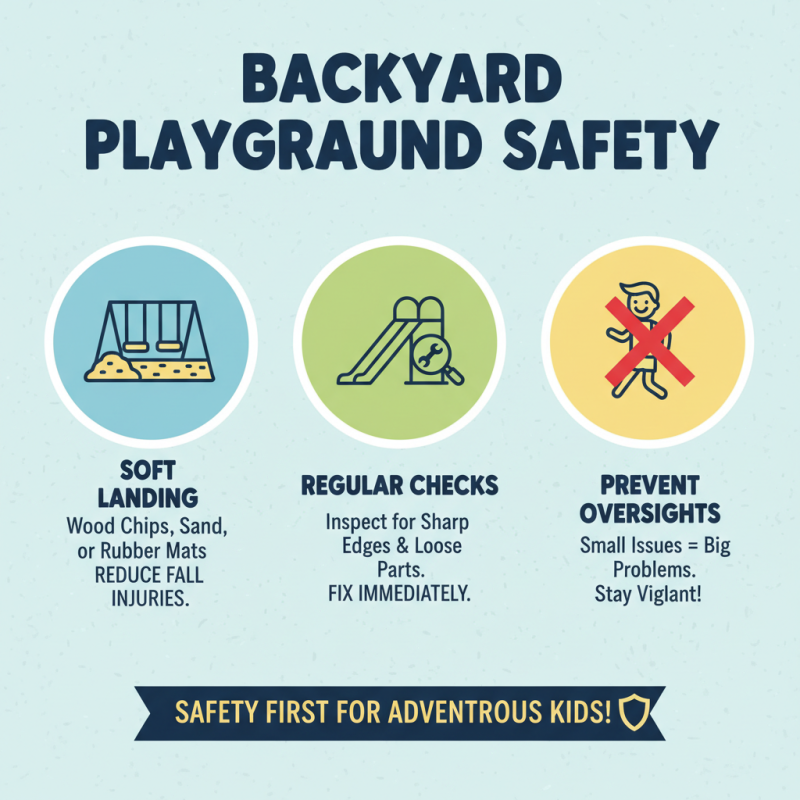
Building a backyard playground can be exciting, but safety must come first. Use soft materials such as wood chips, sand, or rubber mats under play structures. This cushioning helps reduce injury from falls. Regularly check equipment for sharp edges or loose parts. It's important to fix issues immediately. Children can be careless, and a small oversight can lead to big problems.
Consider the layout of the playground. Space between swings and slides is crucial. Ensure there’s enough room for kids to play freely. It's also essential to keep the area clean and free from debris. Parents can create a checklist for maintenance. This can be helpful to remember what needs inspecting. Proactive measures can avoid unpleasant surprises.
Weather can wear down playground features, so inspect them frequently. Faded paint may indicate wood rot beneath. Rotted wood is dangerous and may require replacement. When planning, think about seasonal changes that can affect safety. Muddy areas might need drainage solutions to prevent slipping. Reflecting on these details can lead to a safer, enjoyable backyard playground.