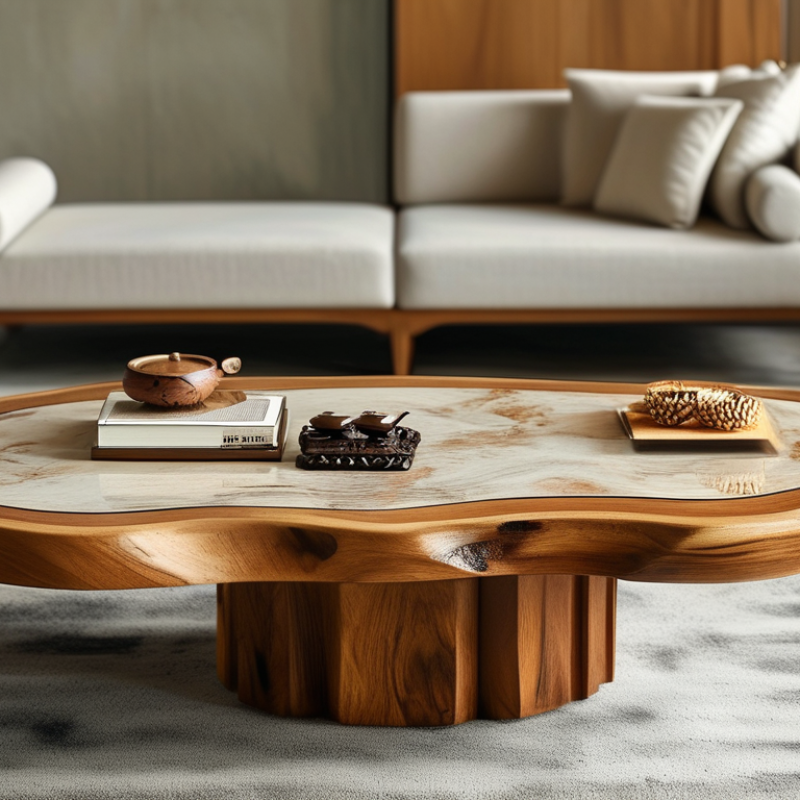
China Top Coffee Table Designs for Global Buyers Today?
In today's global market, Coffee Tables are more than mere furniture. They embody culture, style, and innovation. China’s craftsmanship has gained attention for its unique designs. Each piece tells a story, blending tradition with modern aesthetics.
Buyers find a diverse range of styles in Chinese markets. Elegant minimalism, bold colors, and intricate carvings showcase the creativity of artisans. These Coffee Tables serve as conversation starters in homes worldwide. However, some designs may not suit every space.
Selecting the right Coffee Table involves considering function and form. It’s essential to balance aesthetics with practicality. Mistakes can happen. Choosing a table that clashes with existing decor could lead to regret. Buyers should think deeply about their choices. The right Coffee Table can elevate a room, making it a focal point.
China's Influential Role in Global Coffee Table Design Trends
China has emerged as a key player in global coffee table design trends. The country's rich cultural heritage influences modern aesthetics. Designers blend traditional elements with contemporary styles. This fusion creates unique coffee tables that appeal to diverse markets.
The craftsmanship in Chinese coffee table design is remarkable. Artisans incorporate intricate details and high-quality materials. However, not all designs resonate with global buyers. Some may find certain styles too ornate or specific to local tastes. This discrepancy can lead to missed opportunities in international markets.
Moreover, sustainability is becoming important in coffee table manufacturing. Many Chinese designers are exploring eco-friendly materials. Yet, the journey toward sustainability is not straightforward. Some challenges include sourcing and production practices. Balancing tradition and innovation remains a critical task for designers in China.
Contemporary Materials and Techniques in Chinese Coffee Table Production
China's coffee table production has evolved significantly, showcasing a blend of contemporary materials and innovative techniques. Recent industry reports indicate that the Chinese furniture market is valued at approximately $86 billion. This growth reflects a strong demand for unique design aesthetics and sustainable materials.
In coffee table manufacturing, the use of bamboo, metal, and tempered glass has surged. Bamboo is prized for its sustainability. Meanwhile, tempered glass allows for versatile designs, creating elegant yet practical pieces. According to a study by Statista, eco-friendly furniture sales are projected to grow by 15% annually over the next five years. This growth indicates a shift towards environmentally conscious consumption.
However, reliance on these materials can lead to challenges. The sourcing of sustainable bamboo, for instance, requires careful management to avoid overharvesting. Additionally, while metal can provide durability, it may pose issues related to high carbon emissions during production. Thus, continuous reflection on production methodologies is essential for maintaining ecological balance while meeting global buyer expectations.
China Top Coffee Table Designs for Global Buyers Today
Cultural Symbolism and Aesthetics in Chinese Coffee Table Designs
Chinese coffee table designs are rich in cultural symbolism and aesthetics. Each piece tells a story and reflects the deep-rooted traditions of Chinese craftsmanship. The use of wood, particularly bamboo and teak, is significant. These materials are not only durable but also embody the philosophy of harmony between nature and design.
Many tables feature intricate carvings and motifs. Dragon and phoenix designs symbolize power and harmony, while lotus flowers represent purity. Such elements are carefully integrated, creating a balance between beauty and meaning. The colors chosen often reflect various cultural beliefs. For instance, red signifies good fortune, while blue represents tranquility.
Yet, the fusion between tradition and modern minimalism poses challenges. Some artisans struggle to preserve heritage while appealing to global tastes. Balancing this often leads to designs that might feel superficial or inauthentic. Reflecting on these aspects encourages deeper appreciation for the art of Chinese coffee table design. Each table is more than just furniture; it’s a reflection of history and a vessel of cultural narratives.
Popular Coffee Table Styles Embraced by International Buyers
In recent years, coffee table designs from China have captured the attention of international buyers. A report from Statista indicates that the global furniture market is projected to reach $700 billion by 2024. This growth ties into consumer preferences for modern aesthetics and practicality in home décor. Coffee tables, as design focal points, are increasingly incorporating multifunctional elements.
Minimalist styles are particularly favored by global buyers. Clean lines and simple designs cater to those seeking elegance without clutter. However, not every minimalist table meets durability expectations. Some designs sacrifice sturdiness for appearance, leading to potential customer dissatisfaction.
On the other hand, rustic designs are also gaining traction. Buyers appreciate the warmth of natural wood and the uniqueness of handcrafted products. A survey by the International Furniture Rental Association showed that 45% of renters prefer rustic tables for their cozy appeal. Yet, these pieces often lack the versatility needed in smaller living spaces. This highlights a need for innovation in the design of both styles, ensuring they not only look good but also function well in diverse environments.
China Top Coffee Table Designs for Global Buyers Today
| Design Style | Material | Color | Popular Features | Target Market |
| Mid-Century Modern | Wood | Natural Oak | Tapered Legs, Simple Lines | North America, Europe |
| Industrial | Metal & Wood | Black, Rustic Brown | Raw Finishes, Metal Frames | Urban Markets, Young Professionals |
| Scandinavian | Plywood | White, Light Grey | Minimalist Design, Functionality | European Buyers |
| Contemporary | Glass and Metal | Clear, Chrome | Sleek Look, Versatile Design | Luxury Buyers |
| Vintage | Reclaimed Wood | Dark Walnut | Distressed Finish, Antique Look | Collectors, Retro Enthusiasts |
Tips for Sourcing Authentic Chinese Coffee Tables for Global Markets
When sourcing authentic Chinese coffee tables, buyers should consider various factors. Look for craftsmanship that reflects traditional techniques. Many artisans use locally sourced materials like wood, bamboo, or stone. Handcrafted tables exhibit unique grains and textures that mass-produced furniture lacks. These distinct characteristics enhance the table's appeal for global markets.
Quality is crucial. Examine joinery and finishes; these details show the artisan's skill. Authentic tables should have smooth surfaces and sturdy construction. However, beware of imitations that may use inferior materials disguised as authentic products. Reflection on the need for thorough inspections can prevent costly errors.
Timing is also essential. Engaging with suppliers during Chinese festivals can yield exclusive designs. But, competition is fierce. Rely on multiple sources to find the best options. Transparency is key in negotiations. Always request documentation proving authenticity. This diligent approach not only ensures quality but also builds trust with producers.