Menu
Monday
9:00-5:00
Tuesday
9:00-5:00
Wednesday
9:00-5:00
Thursday
9:00-5:00
Friday
9:00-5:00
Saturday
9:00-4:00
Sunday
CLOSED
Choosing a China-based manufacturer for a Freezing Weather Sleeping Bag takes more than comparing prices or reading a temperature label. In freezing conditions, small details matter: a draft collar around the shoulders, a hood that closes without pinching, and insulation that stays evenly distributed after repeated packing. A bag can look excellent in a product photo and still feel cold at the feet. That gap deserves attention.
Backcountry educator Andrew Skurka’s guidance can be paraphrased this way: “A sleeping bag is one part of a complete sleep system.” The sleeping pad, dry clothing, fit, and shelter all affect warmth. Buyers should therefore ask manufacturers how they determine comfort ratings, what insulation they use, and whether finished products receive consistent quality checks. Clear answers matter. So do sample inspections, material specifications, and reliable communication.
This guide explores how to assess Chinese manufacturers without treating marketing claims as proof. It considers construction, insulation choices, customization, production capability, and evidence behind temperature ratings. No single supplier is automatically the best for every buyer. A lightweight model for alpine travel has different priorities from a roomy bag made for winter camping. Even a detailed checklist cannot replace field testing; that is an inconvenient truth, but an important one. The aim is to help buyers ask sharper questions before selecting a Freezing Weather Sleeping Bag supplier.
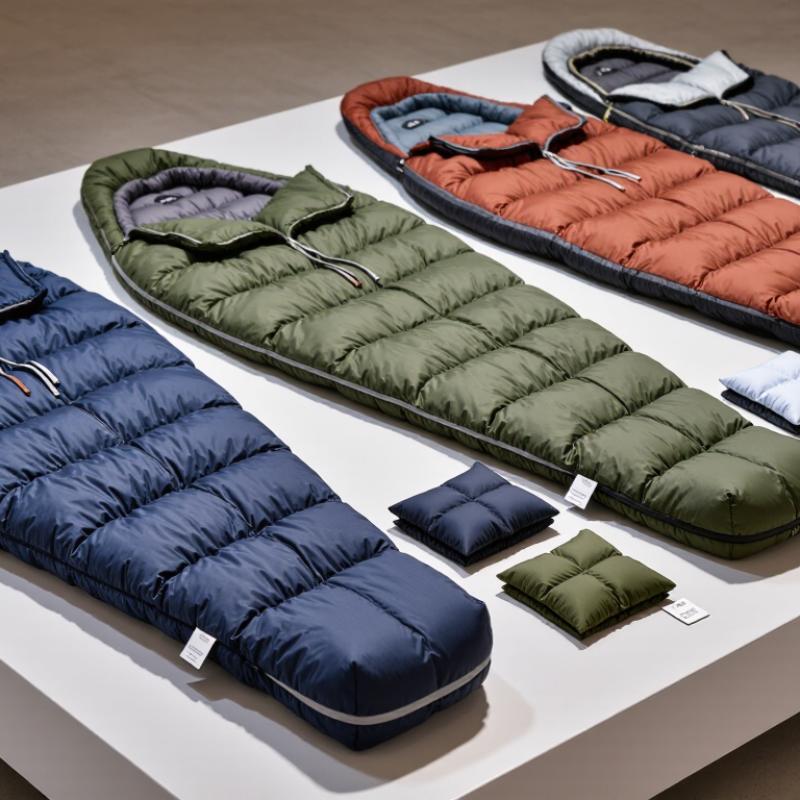
The below −20°C sleeping bag market serves mountaineers, winter campers, polar researchers, and rescue teams. Under ISO 23537, thermal performance should be measured through controlled testing, not marketing language. The standard evaluates insulation, construction, and temperature ratings using defined laboratory methods. A claimed −25°C rating needs careful interpretation. Comfort, limit, and extreme values describe different user conditions. They are not interchangeable.
An experienced Chinese manufacturer should control filling weight, loft, stitching, zipper design, and moisture resistance. In a −25°C field setting, small gaps around the hood can become painfully cold. Draft tubes matter. Foot-box insulation matters too.
Production checks should include fabric inspection, measurement records, filling distribution, and sample testing. However, ISO testing does not reproduce every mountain, wind, or user habit. That limitation deserves honesty. A warm rating can still feel inadequate after rain, fatigue, or poor layering.
Tips: Check the exact ISO test report and temperature category. Ask whether the rating applies to the complete sleeping bag. Inspect hood adjustment, collar seals, zipper protection, and compression recovery. Choose enough room for insulation, but avoid excessive empty space. Store the bag dry and uncompressed after each trip. Even reliable data needs practical judgment.

Choosing a freezing-weather sleeping bag requires more than reading one temperature number. EN 13537 introduced a common method for evaluating thermal performance. ISO 23537 later refined and replaced this framework in many markets. Both systems focus on controlled laboratory testing, not marketing language.
A sleeping bag is tested with a heated manikin inside a controlled chamber. Sensors measure heat loss through the shell, insulation, zipper, hood, and seams. The results usually show comfort, limit, and extreme ratings. Comfort reflects a relaxed sleeper, while the limit assumes a curled sleeping position. The extreme value indicates survival conditions, not safe comfort.
Factory quality teams should compare test reports with insulation weight, loft height, fabric density, and construction details. A bag rated for minus 20°C may perform differently after compression, moisture exposure, or repeated washing. Small gaps near the zipper can become noticeable at night. So can a loose hood.
Standards help, but they do not remove judgment. Real users vary in metabolism, clothing, fatigue, and shelter protection.
I would not treat a laboratory number as a promise. Testing also deserves review when materials or stitching change. That point is easy to overlook.
A careful manufacturer should retain test records, inspect production samples, and explain rating limits clearly before shipment.
China Top Freezing Weather Sleeping Bag Manufacturer?
For freezing weather, insulation choice starts with measured performance, not marketing language. Down rated from 650 to 900 fill power offers more loft per ounce. However, fill power alone does not determine warmth. A 650-fill bag with more down can outperform a lighter 900-fill model. The International Down and Feather Bureau requires controlled conditioning before fill-power testing, so laboratory figures deserve careful interpretation.
ISO 23537-1 evaluates sleeping bags through standardized thermal testing, including comfort and limit temperatures. These ratings help comparison, but personal metabolism, clothing, wind, and moisture still matter. In field use, high-quality down feels light and compresses tightly. Wet down can collapse dramatically. That weakness is easy to underestimate.
Synthetic fibers provide steadier insulation in damp camps. Textile Exchange’s 2024 Materials Market Report states that polyester represented about 59% of global fiber production in 2023, reflecting its broad industrial scale. Synthetic fill usually weighs more at similar warmth, yet it dries faster and costs less to replace. Careful manufacturers should test loft recovery, seam construction, fabric moisture resistance, and temperature performance together. I would not promise a universal “best” insulation. Real winter testing sometimes exposes assumptions that laboratory numbers miss.
How to read this chart: Down fill power measures the cubic inches occupied by one ounce of down. Synthetic fibers do not have a standardized fill-power rating, so they cannot be plotted on the same scale. Compare complete sleeping bags for warmth, weight, packed size, and performance in damp conditions.
Manufacturing Evaluation: China Factory Capacity, QC, MOQ, and Lead Times
A capable Chinese factory should show more than polished product photos. During factory evaluations, I check sewing lines, insulation filling equipment, warehouse space, and seasonal production records. Capacity depends on trained workers, not only machine numbers. A factory producing 20,000 bags monthly may struggle during winter demand. Ask for recent output data and production schedules.
Quality control must cover fabric, insulation weight, zipper strength, stitching, and final loft. For freezing conditions, small filling gaps can create cold spots. Reliable factories keep batch records and inspect samples from different production stages. Independent testing can confirm thermal performance, but test results may not reflect careless packing or wet storage. That detail deserves attention.
Tips: Request one pre-production sample, one mid-production inspection, and clear defect limits. Confirm whether the quoted MOQ applies per color, size, or total order. Standard models may ship within 30–45 days, while custom materials often need 60–90 days. Do not trust the fastest promise. I have seen excellent samples followed by delayed bulk orders, usually because fabric booking was overlooked. A written timeline with material approvals, inspection dates, and shipping estimates reduces that risk.
China Top Freezing Weather Sleeping Bag Manufacturer?
When comparing Chinese sleeping bag suppliers, warmth-to-weight should guide the first review. Fill power matters, but construction matters just as much. A 700-gram bag can feel cold if its insulation shifts overnight. Check the fill weight, loft height, baffle design, and tested comfort temperature. Ask for independent thermal-test reports, not only factory claims. A useful sample should recover its loft after compression and remain comfortable near a cold warehouse floor.
Water resistance needs a separate check. A durable water-repellent finish can protect the shell from light moisture. It cannot replace waterproof fabric or sealed seams. Request hydrostatic-head results, seam-construction details, and fabric specifications. During inspection, place the sample under controlled spray, then check the inner lining and zipper area. Small leaks often appear there. Suppliers should explain whether the finish changes after washing.
Certifications add credibility when their scope is clear. Confirm the issuing body, test standard, report date, and exact product model. ISO 23537 testing can support temperature-rating comparisons, while textile safety reports help verify material compliance. For down-filled bags, traceability and animal-welfare documentation deserve attention. A certificate alone is not enough. Batch records and pre-shipment inspections matter more than polished paperwork. One weakness remains: laboratory ratings cannot perfectly predict every sleeper’s experience. I would compare several samples, because warmth, moisture control, and weight rarely peak in one design.
Use this evidence-based comparison checklist to assess sleeping bag suppliers. Compare products at the same size and temperature rating, and request supporting test reports and current certificate documents before placing an order.
| Comparison Dimension | What to Compare | Evidence to Request | How to Assess |
|---|---|---|---|
| Temperature Rating | Comfort, Limit, and Extreme temperatures for the same bag model and size. | Test report identifying the applicable ISO 23537 method, test sample, and reported temperature values. | Compare Comfort ratings for typical-use suitability. Do not treat the Extreme rating as a recommended sleeping temperature. |
| Warmth-to-Weight | Complete bag weight at a comparable size and temperature rating. | Product specification showing finished-bag weight, size, insulation quantity, and temperature-test results. | For bags with the same test basis and Comfort rating, lower complete-bag weight indicates a better warmth-to-weight result. |
| Insulation Type | Down or synthetic fill, fill mass, construction, and stated insulation properties. | Material specification, fill composition report, and, for down, a fill-power test report with its test method stated. | Compare fill-power figures only when the test method and units match. Also assess performance when damp, care requirements, and intended use. |
| Shell Water Resistance | Fabric hydrostatic-head result, water-repellent finish, and construction details. | Fabric test report stating the hydrostatic-head method and result; finish details and any applicable durability test report. | Hydrostatic head is commonly reported in millimetres; higher results indicate greater resistance under that test. Compare results only when methods and conditions are comparable. |
| Moisture Management | Shell breathability, lining fabric, and how the product is designed to manage condensation. | Fabric specifications and breathability results, including the test method and units used. | Breathability results from different test methods may not be directly comparable. Check the test method and intended use rather than relying on a single number. |
| Construction and Durability | Baffle design, zipper protection, hood and draft-collar construction, stitching, and repair options. | Technical drawings, sample inspection, bill of materials, and quality-control inspection records. | Inspect a production-representative sample. Check for consistent stitching, smooth zipper operation, insulation distribution, and documented repair or replacement procedures. |
| Product and Material Certifications | Certification type, product or material scope, issuing organization, and validity period. | Current certificate documents and, where available, a way to verify the certificate with the issuing organization. | ISO 9001 concerns a quality-management system; it is not a sleeping-bag performance certification. OEKO-TEX STANDARD 100 relates to tested textile articles or components. RDS relates to responsible down sourcing, and GRS relates to recycled content and chain of custody. Confirm the scope covers the supplied product or material. |
| Factory Quality Control | Incoming-material checks, in-process inspections, final inspection, and defect handling. | Written inspection plan, sample inspection reports, defect classification rules, and corrective-action records. | Confirm inspection criteria are agreed before production and that reported results can be traced to the relevant order or production lot. |
| Order and Delivery Terms | Minimum order quantity, sample and production lead times, packaging, and shipping terms. | Written quotation, approved sample schedule, production timeline, and packaging specification. | Compare offers using the same product specification, order quantity, packaging requirements, and delivery terms. |
