How to Choose the Best Wooden Playsets for Your Backyard
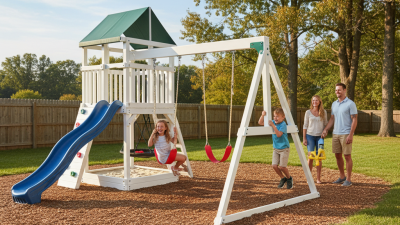
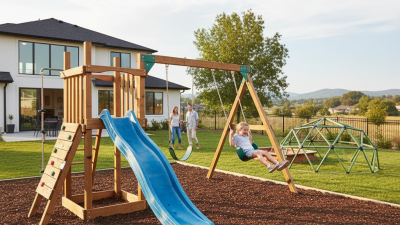
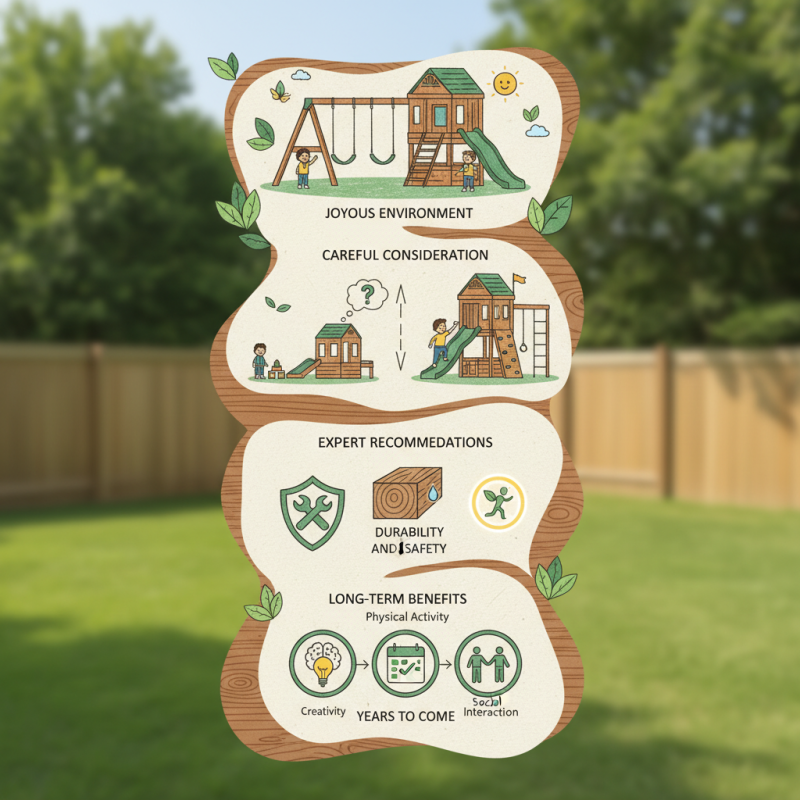
When it comes to creating a joyous environment in your backyard, wooden playsets stand out as a top choice. These structures offer children a safe space to explore and enjoy the outdoors. Their natural materials blend seamlessly with outdoor aesthetics, providing not just fun but also an inviting atmosphere.
Choosing the right wooden playset involves careful consideration. You might have an idea of what looks good, but functionality and safety are key factors. Think about your child's age and interests. A set designed for younger kids may differ from one suited for older children. It's essential to reflect on how the playset will grow with your child.
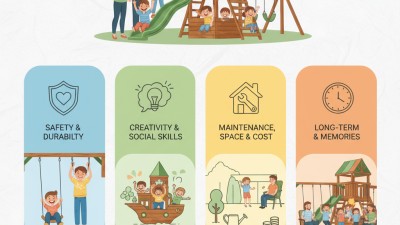
Expert recommendations often highlight durability and safety features. Look for sturdy wood, quality craftsmanship, and non-toxic finishes. A well-constructed wooden playset should withstand weather changes and daily use. Investing in a reliable playset is crucial. Ultimately, the right one can encourage creativity, physical activity, and social interaction for years to come.
Factors to Consider When Choosing a Wooden Playset for Your Backyard
When selecting a wooden playset for your backyard, safety must be a top priority. According to the American Society for Testing and Materials (ASTM), playsets should meet strict safety guidelines. Look for sets that use non-toxic finishes and sturdy materials. It’s essential that the playset has rounded edges and no sharp protrusions. Every year, about 200,000 children are treated for injuries related to playground equipment. A safe playset can reduce these risks.
Space is another crucial factor. Measure your backyard to ensure the playset fits well with ample room for children to play safely around it. The U.S. Consumer Product Safety Commission recommends a minimum of six feet of clear space around the playset. Consider how many children will use the playset. Larger families may require bigger structures. Smaller wooded areas can become cluttered quickly.
Weather resistance is important, too. Quality wood can withstand the elements better than cheaper alternatives. Look for sets made from cedar or redwood, as they tend to resist decay. Regular maintenance is necessary, and treating the wood every couple of years can extend its lifespan. Make sure you’re ready for those responsibilities. Not every playset suits every backyard, so choose wisely.
Different Types of Wooden Playsets and Their Features
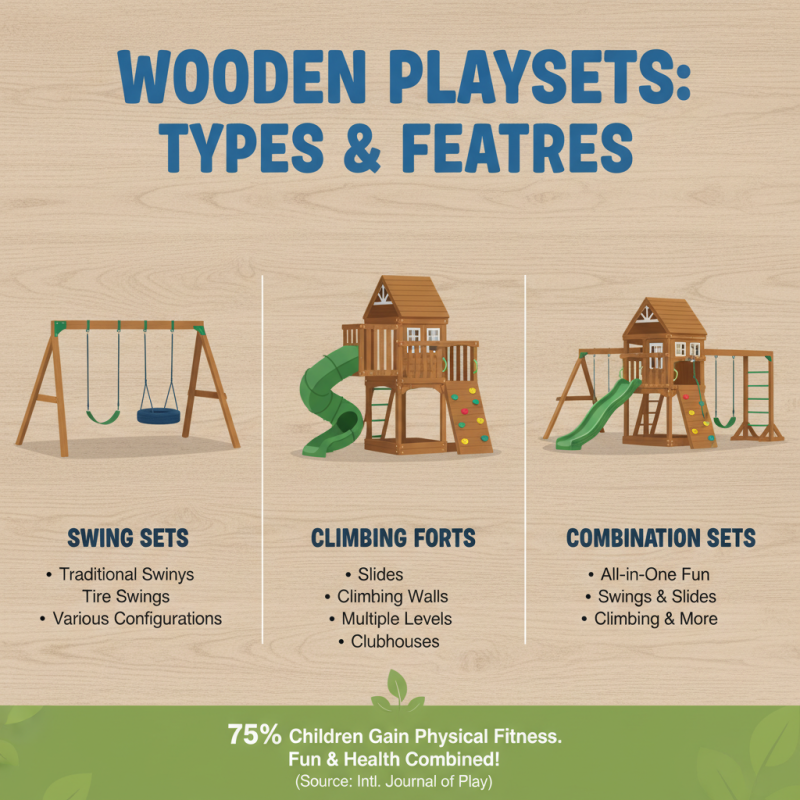
When choosing a wooden playset, understanding the variety of options is crucial. There are several types of playsets available, each with unique features. For example, swing sets offer different configurations, from traditional swings to tire swings. Many playsets now also include slides and climbing walls. According to the International Journal of Play, 75% of children gain physical fitness from playing on such equipment, which fosters not just fun but also health benefits.
Another popular option is multi-functional playsets. These typically combine slides, climbing areas, and sandbox features. They promote imaginative play and enhance social skills. A report by the American Academy of Pediatrics states that children who engage in varied play experiences develop problem-solving skills. However, parents should be mindful of space and safety. Not every backyard can accommodate a large playset without compromising safety.
Lastly, customization is a growing trend. Some manufacturers offer playsets that can adapt as children grow. Customizable features can range from adding more swings to incorporating themes, such as castles or pirate ships. While choices abound, researching materials and local environments is essential. A study from the U.S. Consumer Product Safety Commission highlights that improper installation can lead to injuries. Thus, understanding the types of wooden playsets helps in making an informed decision for a safe and enjoyable backyard experience.
Safety Features to Look for in Wooden Playsets
When choosing a wooden playset, safety is paramount. A recent survey by the American Society for Testing and Materials (ASTM) shows that over 200,000 children are treated for injuries related to playground equipment each year. Selecting a playset with proper safety features can significantly reduce this risk.
Look for smooth edges and rounded corners. These features minimize the chances of cuts and scrapes during play. Good-quality wooden playsets should be sanded down thoroughly to eliminate splinters. According to the National Program for Playground Safety, 70% of playground injuries can be prevented with the right design and materials.
Sturdy construction is also vital. Ensure that the playset uses high-quality wood treated to resist rot and insect damage. The structure should be anchored securely to the ground. A report from the Consumer Product Safety Commission indicates that nearly 50% of falls from playsets occur due to instability. Safety rails and climbing grips are additional features to consider. Some playsets have added layers of safety, such as enclosed slides and netted areas, which provide extra protection. Examine these elements carefully to make an informed decision.
How to Choose the Best Wooden Playsets for Your Backyard - Safety Features to Look for in Wooden Playsets
| Feature |
Description |
Importance |
| Non-Toxic Finish |
Made with water-based, non-toxic stains and sealants. |
Ensures child safety and reduces harmful chemical exposure. |
| Rounded Edges |
All edges are rounded to prevent injuries. |
Reduces the risk of cuts and bruises. |
| Sturdy Construction |
Heavy-duty materials are used to ensure stability. |
Prevents collapse and enhances durability during playtime. |
| Safety Rails |
Installed on platforms and slides to prevent falls. |
Provides additional security for children while playing. |
| Anchoring System |
Includes stakes or bolts to secure the playset to the ground. |
Ensures the playset remains stable and safe during use. |
| Age Appropriateness |
Designed for specific age groups with suitable features. |
Enhances safety by matching the playset capabilities with the child's development. |
| Regular Maintenance |
Periodic inspections for wear and tear, and maintenance recommendations. |
Ensures long-term safety and functionality. |
Cost Considerations and Budgeting for a Wooden Playset
When considering a wooden playset for your backyard, cost plays a pivotal role in the decision. Industry reports suggest that the average cost of a quality wooden playset ranges between $1,000 and $3,000. Factors influencing this price include the size, materials, and added features such as swings or slides. Notably, larger sets often provide more play options, yet may significantly strain your budget.
Tips: Identify your budget early. A clear financial plan helps narrow down your options, focusing on what matters most for your family's needs. It's also wise to compare prices from different suppliers. A price difference can range significantly, sometimes by hundreds of dollars for similar products.
Remember that some additional costs may arise after the initial purchase. Installation, maintenance, and safety features elevate long-term expenses. Reports indicate that neglecting regular maintenance can lead to costly repairs, while investing upfront in durable materials pays off in the long run. Reflecting on these factors ensures you are prepared for the overall financial commitment of owning a wooden playset. Keep in mind, compromising on quality may lead to safety issues and shorter lifespan, which can be a drawback worth considering.
Maintenance Tips for Longevity of Wooden Playsets
Maintaining wooden playsets is crucial for their longevity. Regular inspection is key. Look for signs of wear or damage, such as splinters or rusted hardware. Small issues can escalate if ignored. Each season should bring a thorough check-up. Ensure that all connections are tight. Loose bolts can cause safety hazards.
Cleaning the playset is essential. Use a mild soap and water solution to remove dirt and algae. Avoid harsh chemicals, as they can damage the wood. Power washing might seem convenient, but it can cause more harm than good. Instead, opt for a gentle scrub to refresh the surface.
Sealing the wood is another important step. This prevents water damage and decay. Choose a high-quality wood preservative. Apply it every couple of years. Weather conditions can take a toll, so regular touch-ups are necessary. Rot and mold might appear if neglected. A proactive approach will ensure your playset remains a safe haven for years.
Wooden Playsets Maintenance Tips for Longevity