How to Choose the Best Outdoor Playground Equipment for Kids?
Choosing the right outdoor playground equipment is crucial for children's development. According to Mark Thompson, an expert in playground design, "The right equipment fosters creativity and physical activity." This highlights the importance of making informed choices.
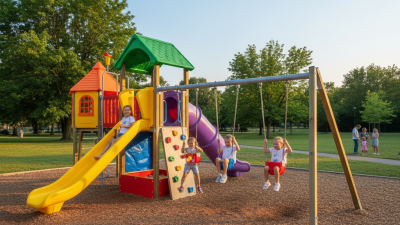
Outdoor playground equipment should encourage exploration and social interaction. Think about the variety of activities available. Swings, climbing structures, and slides can all contribute to a child’s physical fitness. However, it's essential to assess safety and age-appropriateness. Not every piece of equipment may suit every child.
Consider the materials used in outdoor playground equipment. Durable and safe materials protect children during play. Still, some products might lack proper safety standards. It's vital to research manufacturers before making a decision. Reflect on your choices to ensure they meet your child's needs while providing a safe and engaging environment.
Understanding the Different Types of Outdoor Playground Equipment
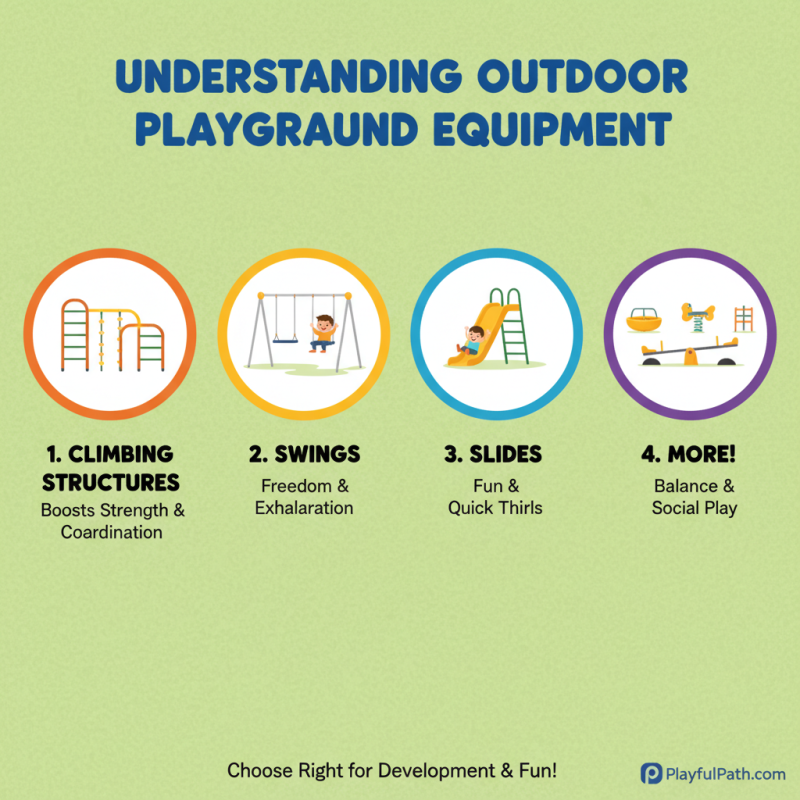
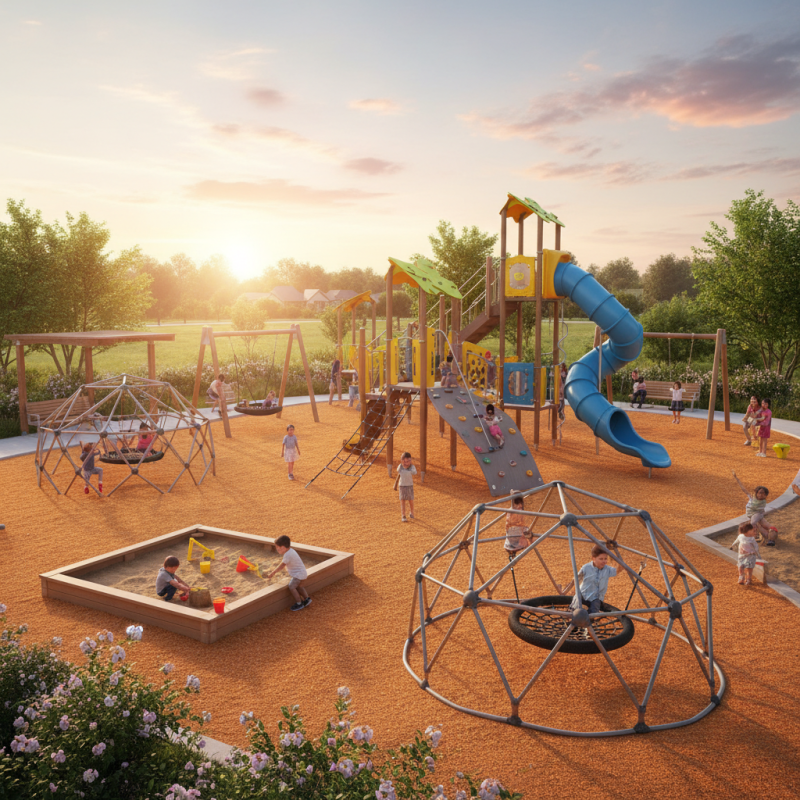
Choosing the right outdoor playground equipment for kids involves understanding various types available. There are climbing structures, swings, slides, and more. Each type serves a different purpose for development and play. Climbing structures boost strength and coordination, while swings provide a sense of freedom and exhilaration.
Slides are always appealing. They encourage children to take risks and explore heights in a safe environment. You might also find some equipment that combines several functions. These multifunctional sets can maximize space and features. However, each piece of equipment should fit the age group of children using it.
A well-designed playground can spark creativity and physical activity. On the other hand, equipment that is too complex might frustrate younger children. Tall structures can seem daunting. Careful assessment should be made before installation. Safety and age-appropriateness are key factors to consider. Remember, a playful space should also promote social interaction among kids.
Assessing Age Appropriateness for Playground Equipment Selection
When choosing outdoor playground equipment, age appropriateness plays a vital role. According to the International Play Equipment Manufacturers Association (IPEMA), age-specific designs ensure safety and engagement. Children aged 2-5 thrive on smaller structures, with low platforms and soft slides. In contrast, equipment for kids aged 5-12 should challenge their growing physical abilities, offering higher platforms and varied climbing options.
Selecting equipment that matches these age groups reduces injury risks. The CDC states that unsafe playgrounds lead to over 200,000 yearly injuries for children under 14. Parents and educators should prioritize age-suitable equipment to foster safe play. While colorful slides and swings attract kids, the real challenge lies in finding functional equipment that aligns with their developmental stages.
It's essential to engage kids in these choices. Sometimes, what seems appealing may not be suitable for their age. Conversations about safety and proper use are crucial. Inspecting equipment regularly ensures it remains compliant with safety standards. Balance between fun and safety is key. Always reflect on how equipment choices impact children's play experiences.
Evaluating Safety Features in Outdoor Play Structures
When selecting outdoor playground equipment, safety should be a top priority. Look for sturdy structures made from high-quality materials. The equipment should have rounded edges and non-toxic finishes to reduce the risk of injury. Consider equipment that is designed with fall zones in mind. This minimizes the chances of accidents.
Check for safety features like guardrails, soft landing surfaces, and secure mounting systems. These features can significantly reduce the impact of falls. Inspect the equipment regularly for wear and tear. Equipment can degrade over time, making it less safe for children.
It’s important to reflect on the age and size of the children who will use the playground. Every child is different, and equipment should cater to various levels of ability. Too often, parents overlook this detail. It is easy to assume that all equipment is universally safe. However, tailored options can enhance safety and enjoyment for everyone.
Considering Available Space and Installation Requirements
When choosing outdoor playground equipment, understanding your available space and installation requirements is crucial. A report by the International Playground Equipment Manufacturers Association indicates that properly allocated space not only complies with safety standards but also enhances children's play experience. For instance, about 70% of playground injuries occur in poorly designed areas. Therefore, assess your space thoroughly before making any decisions.
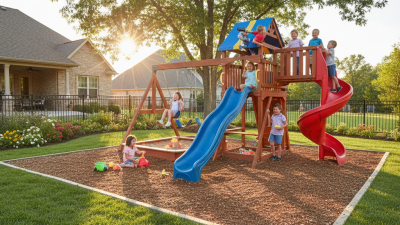
Installation requirements can vary significantly. Some equipment needs concrete footings, while others may require a soft surface for safety. It's vital to review the manufacturer's specifications and local regulations. A study from the National Association for Sport and Physical Education shows that adequate grounding, like engineered wood fibers or rubber mats, can reduce fall injuries by up to 50%. Ignoring these can lead to potential safety hazards.
Consider the age range of your children, too. Equipment designed for toddlers differs from that for older kids. This consideration can help avoid equipment misuse. Regular inspections ensure equipment remains safe and functional. Slipping through this step could lead to accidents or equipment breakdowns. Reflecting on space and installation ensures a safer, more enjoyable environment for children’s playtime.
Budgeting for Quality and Sustainability in Playground Equipment
When selecting outdoor playground equipment, budgeting plays a crucial role. Investing in quality ensures safety and longevity, which is essential for children's play. Cheap options often lead to repairs and replacements. Make a list of must-have features that enhance play value. Look for equipment that promotes physical activity and social interaction.
Sustainability is another vital aspect. Materials should be durable and environmentally friendly. Metal and recycled plastics can resist weather conditions while minimizing environmental impact. Consider local suppliers to reduce transportation costs. This can also support your community.
Reflect on the balance between cost and quality. Sometimes, spending a bit more upfront can save money in the long run. Prioritize equipment that meets safety standards and is well-reviewed. An informed choice leads to happier, healthier play experiences for children.
Choosing the Best Outdoor Playground Equipment for Kids