• Monday

    9:00-5:00

  • Tuesday

    9:00-5:00

  • Wednesday

    9:00-5:00

  • Thursday

    9:00-5:00

  • Friday

    9:00-5:00

  • Saturday

    9:00-4:00

  • Sunday

    CLOSED

7 Tips for Choosing a Perfume Atomizer for Your Business

Choosing the right Perfume Atomizer can influence product quality, customer trust, and daily business efficiency. A suitable bottle should protect the fragrance, deliver a consistent spray, and remain comfortable during use. Small details matter. A loose cap, uneven nozzle, or weak glass can create expensive complaints.

This guide explores seven practical points for evaluating a Perfume Atomizer before placing a large order. It considers material quality, capacity, spray performance, sealing, appearance, customization, and supplier reliability. A sample may look excellent under showroom lighting, yet perform poorly after repeated handling. Test it in real conditions. Fill it, carry it, spray it, and inspect the closure after several days. Check whether the mist feels fine and even, rather than wet or scattered. Also review product specifications, manufacturing information, and available quality records. These details support informed purchasing decisions and help reduce avoidable risks.

Budget still matters.

However, the cheapest option is not always the most economical. A low-cost atomizer may increase leakage, returns, or packaging damage. On the other hand, premium finishes can exceed what your customers actually value. That judgment requires reflection. Your brand may need a polished metal shell, a lightweight plastic body, or a simple refillable design. The best choice depends on your market, fragrance format, sales channel, and expected usage. By examining each factor carefully, businesses can select a Perfume Atomizer that balances presentation, reliability, and practical cost. Mistakes can happen, but structured testing makes them easier to identify before they reach customers.
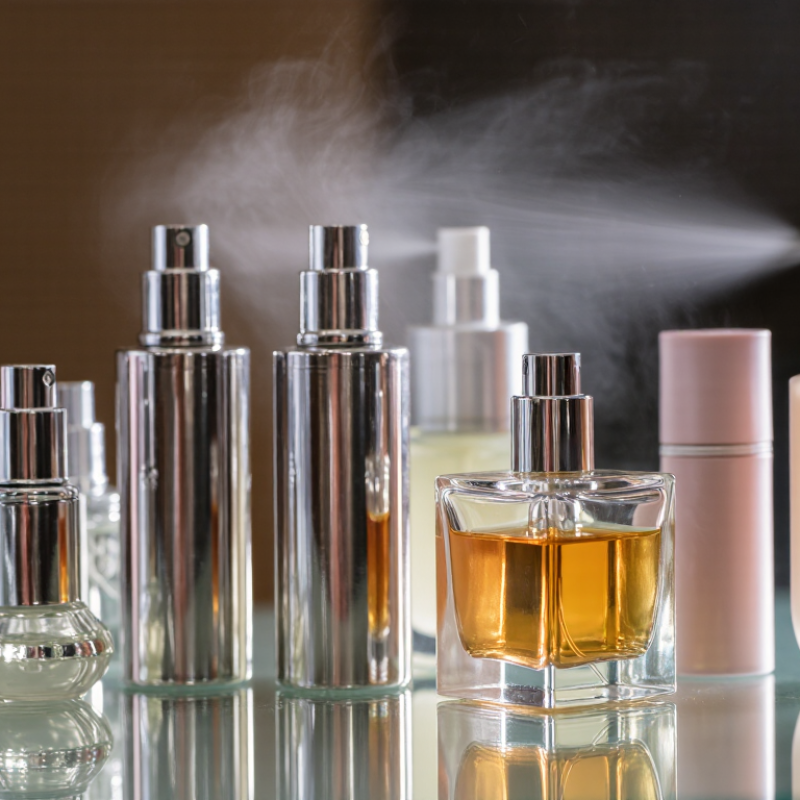
7 Tips for Choosing a Perfume Atomizer for Your Business

Define Your Business’s Perfume Atomizer Requirements

Define Your Business’s Perfume Atomizer Requirements

Before comparing perfume atomizers, write down how customers will use them. A sample vial needs a fine, consistent mist; a travel-size bottle needs a cap that stays secure in a crowded bag. Note the intended fill volume, spray dose, bottle material, and expected daily output. Small details matter. A sprayer that feels stiff during a quick test may become frustrating after repeated use.

Your requirements also depend on the product and sales channel. The 2023 report by Fortune Business Insights estimated the global perfume market at about USD 50.9 billion in 2022, reflecting a large and varied category. That does not tell you which atomizer to buy, but it does underline why one format may not suit every customer. Test samples with the actual fragrance: viscosity and formula compatibility can affect spray quality, while a poor seal may cause leakage. Ask suppliers for component material specifications and test several units from different production samples, not just one polished prototype.

Set practical limits before requesting quotations. Decide acceptable leakage rates, spray consistency, minimum order quantities, and whether components must work with existing filling equipment. If sustainability is a requirement, specify measurable criteria, such as refillability or recycled content, and ask for supporting documentation. Be realistic: a refillable design can add weight or assembly steps. We have seen teams overlook that trade-off. A short pilot run can reveal problems before a large order is placed.

Compare Atomizer Types, Materials, and Refill Mechanisms

When choosing a perfume atomizer, compare spray performance, material, and refill design—not just appearance. Crimp-on glass bottles can feel premium and resist fragrance interaction, but they are harder to refill. Screw-neck designs offer easier access for cleaning and replacement. Fine-mist pumps should deliver an even cloud without drips; test several samples with your actual formula. A beautiful cap means little if the spray sputters.

Materials affect weight, breakage risk, and customer perception. Glass suits display-focused lines, while aluminum can reduce weight and shield contents from light. Check that the pump, dip tube, seals, and fragrance work together: incompatible elastomers may swell or leak. Small details matter. For refillable formats, compare removable cartridges with direct-pour systems. Cartridges can make replenishment cleaner, while direct filling may leave residue around the neck. Neither option is perfect.

Trivium Packaging’s 2023 Global Buying Green Report found that 82% of respondents said they would be willing to pay more for sustainable packaging. That is a broad packaging survey, not a perfume-specific forecast, so treat it as directional evidence. Ask suppliers for material specifications, compatibility tests, and leak-test results; then trial filled units through transport and repeated use.

I would also time refills with a real user. Awkwardness shows up fast. One overlooked issue: a refill system can reduce waste on paper yet frustrate customers in practice.

Evaluate Capacity, Portability, and Ease of Use

Capacity affects both refill frequency and customer comfort. For a counter display, a larger glass reservoir can reduce staff interruptions, but it may feel awkward in a travel kit. Match the fill volume to the setting, then test how many sprays customers use in a typical day. Small detail, big difference.

Grand View Research valued the global perfume market at USD 50.85 billion in 2023 and projected 5.5% annual growth from 2024 to 2030. That growth makes practical packaging worth evaluating, not just attractive packaging.

Portability depends on more than size. A slim atomizer should sit securely in a bag, resist accidental pressing, and stay leak-free after repeated handling. Test it upright and on its side, using the fragrance you plan to sell; viscosity and spray patterns can vary.

IATA’s passenger guidance limits many liquids in carry-on baggage to containers of 100 ml or less, so compact formats may suit travelers. Check current airport guidance before making specific travel claims.

Ease of use is measurable. Ask staff to refill the unit, attach the cap, and produce a consistent spray with one hand. Watch for slippery surfaces, hard-to-read fill lines, and parts that take too long to clean.

One awkward step can slow a busy counter. I would not assume a premium-looking design performs better; real handling tests sometimes expose flaws that a product photo hides.

Check Leak Prevention, Durability, and Product Safety

Choosing a perfume atomizer for business requires more than an attractive shape. The container must protect the formula from leakage, damage, and contamination during daily handling.

Check the pump seal and threaded connection. Fill one sample, close it tightly, and leave it upside down overnight. Test it twice. Inspect the neck for dampness, oily rings, or a loose cap. A small leak can damage labels, cartons, and customer trust. Ask the supplier for material specifications and batch inspection records. Product-contact parts should be suitable for cosmetic use and free from unwanted odors.

Durability also affects product safety. Drop a filled sample from a low height onto a protected surface, then test the spray pattern again. Examine the glass, actuator, dip tube, and cap for cracks or distortion. Do not rely only on a visual inspection. Heat and cold exposure can reveal weak seals, although these tests should follow controlled procedures. I have seen a sturdy-looking atomizer fail after repeated pressing, so cycle the pump many times before approval. It is an easy test.

Review cleaning, filling, and storage conditions with your production team. Dust around the valve may enter during assembly. Keep samples capped and compare their scent, color, and spray performance over time. No inspection catches every failure. Your records should include test dates, sample numbers, and corrective actions. A supplier may promise consistency, but your own verification remains essential. Small details matter.

Assess Branding Options, Costs, and Supplier Reliability

A perfume atomizer is more than a container. Its finish, shape, and spray quality all affect how customers experience your product. Compare branding options such as screen printing, labels, and colored collars. Ask for a sample to check how the logo looks under bright light and whether the print rubs off after handling. Small details matter.

Calculate the full cost, not just the unit price. Include decoration, sample fees, tooling, shipping, and possible breakage. Request quotes at several order quantities, then compare the cost per usable atomizer. A low price can hide extra charges. It happens. Also consider how much stock you can store without tying up cash. Your forecast may be wrong, so avoid ordering more than your business can reasonably use.

Supplier reliability needs evidence. Ask about production lead times, quality checks, packaging, and how defects are handled. Request recent samples and clear written specifications for capacity, materials, and spray output. If possible, place a small trial order before committing to a larger run. Notice how quickly the supplier answers specific questions. Slow replies are not proof of poor service, but they deserve attention. Keep records of agreed details, since assumptions can cause costly surprises.