10 Essential Tips for Choosing the Best Wooden Playground for Your Kids?
When selecting the right wooden playground for your children, it’s essential to consider several critical factors. Dr. Emily Carter, a child development expert, stated, “A well-designed playground can significantly enhance a child's social and physical skills.” This highlights the importance of making informed choices.
Choosing a wooden playground involves balancing safety, durability, and fun. Many parents overlook the materials used in construction. Quality wood plays a vital role in ensuring longevity. However, some products may be treated with chemicals that aren't safe for kids. Always check the specifications.
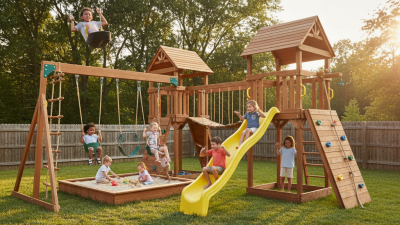
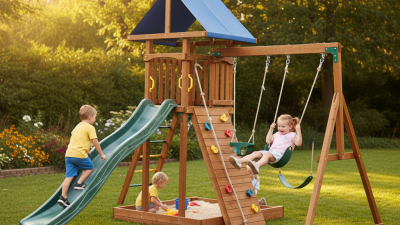
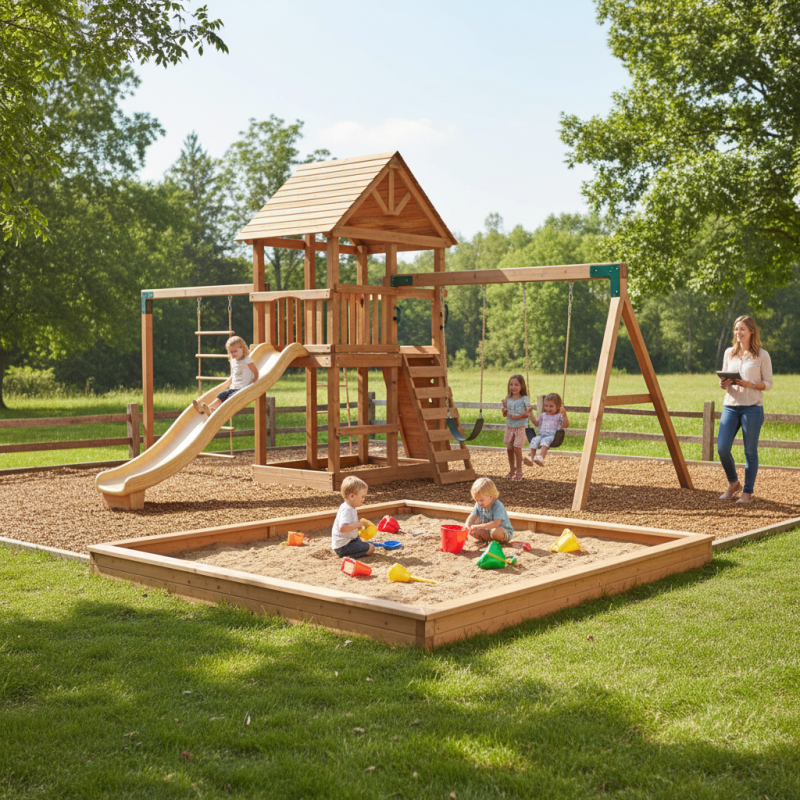
Look for features that promote imaginative play. Swings, slides, and climbing frames are essential, but a sandbox can add creativity. However, too much complexity can overwhelm children. Simplicity can sometimes foster better play. Ensure the playground encourages safe exploration while being engaging. This thoughtful selection process can lead to countless joyful memories for your little ones.
Understanding the Benefits of Wooden Playgrounds for Child Development
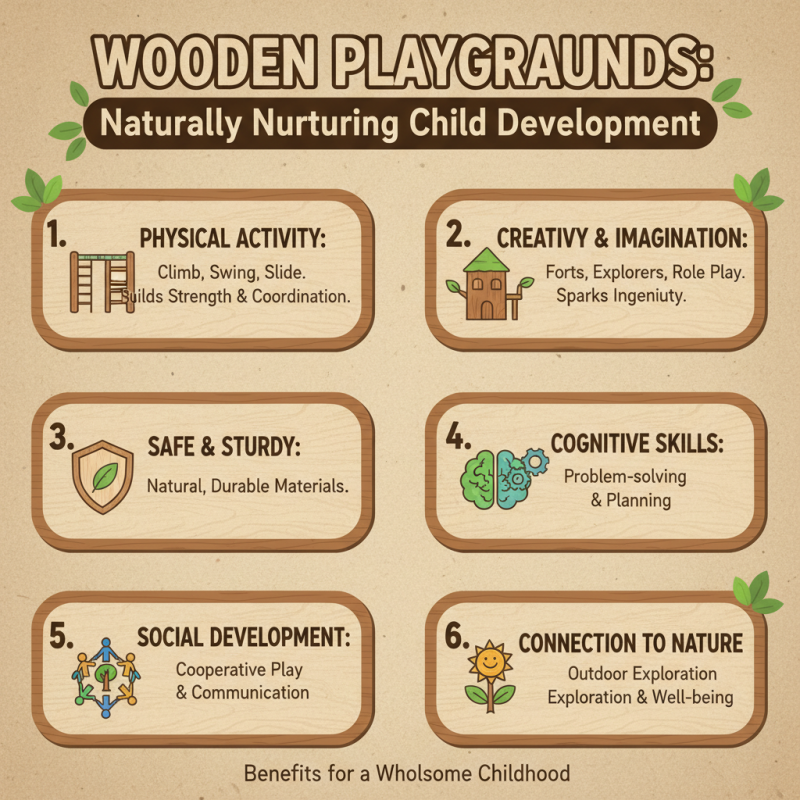
Wooden playgrounds offer numerous benefits that support child development. The natural materials provide a safe and sturdy environment for kids to explore. Children can climb, swing, and slide, which encourages physical activity. Playing outdoors fosters creativity, allowing children to engage in imaginative play. They can build forts, pretend to be explorers, or create their own games using simple wooden structures.
Moreover, wooden playgrounds promote social skills. Kids often need to work together while playing on these structures. They learn to share, negotiate, and resolve conflicts. However, not all playgrounds are created equal. Some may lack proper safety features. Parents should inspect playgrounds for any broken parts. Also, ensure that the wood is treated safely, as untreated wood can splinter easily.
Finally, the aesthetic appeal of wooden playgrounds cannot be overlooked. They blend nicely into natural settings, enhancing the beauty of gardens or parks. Yet, it’s essential to regularly maintain these structures. Wood can decay over time if not cared for properly. Observing these imperfections can offer parents a chance to reflect on what works and what doesn't for their children’s play experiences.
Key Safety Features to Look for in Wooden Playgrounds
When choosing a wooden playground for your kids, safety should be your top priority. Look for sturdy construction. The wood should be treated for rot and insects. Check for smooth surfaces. Children can easily get splinters from rough wood. Ensure there are no sharp edges or exposed nails. These minor details can prevent serious injuries.
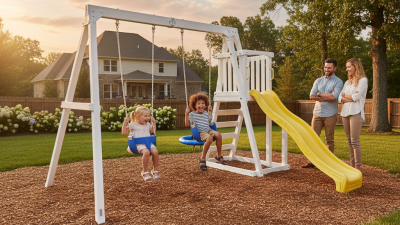
Consider the playground's design. Are there enough safety features like safety rails or nets? A playset should not be too high without proper guardrails. If a child falls, the ground surface must cushion the impact. Look for materials that can absorb shock, like rubber mats. This can minimize injury risk during playtime.
Pay attention to the age appropriateness of the equipment. Some structures may not be safe for younger kids. Large slides or climbing walls might intimidate them. Think about your children's preferences. Do they favor swings or climbing? Ensure the playground stimulates their interest while prioritizing safety. These aspects can help create a fun yet safe environment for your little ones.
Evaluating the Durability and Weather Resistance of Materials
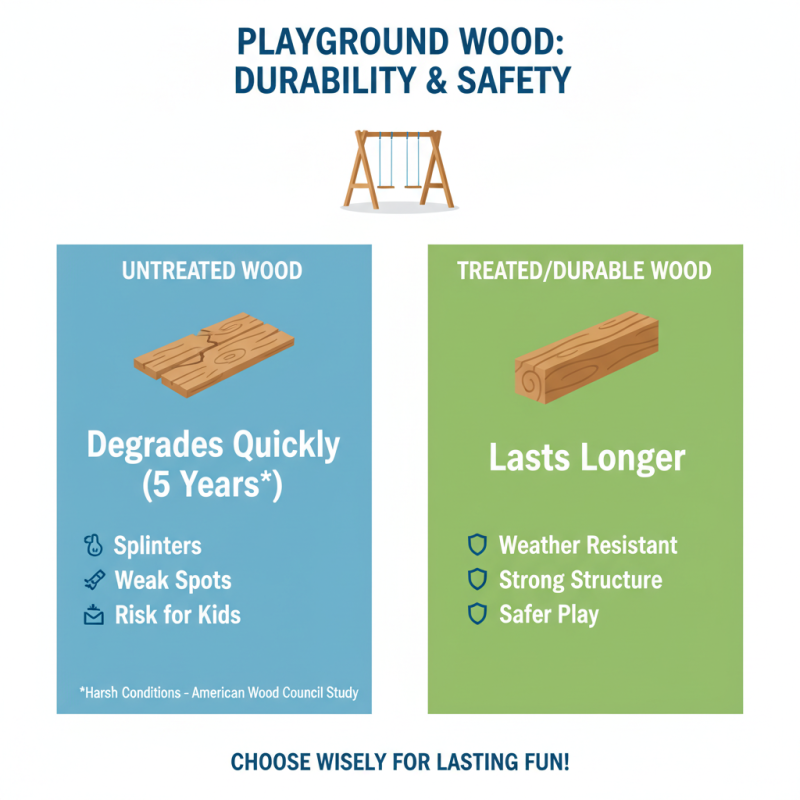
When choosing a wooden playground, assessing durability and weather resistance is crucial. Research shows that untreated wood can degrade quickly. According to a study by the American Wood Council, untreated wood can lose structural integrity within five years in harsh conditions. This means splinters and weak spots could pose a risk for kids playing.
Selecting pressure-treated wood can improve longevity. This treatment helps wood resist rot and insect damage. However, not all treatments are created equal. Some chemicals may leach into the soil, impacting the environment. Families should look for certified treatments to ensure safety. Ideally, wood should withstand rain, sun, and snow without significant wear.
Look for natural oils or stains that enhance weather resistance. These options can also provide an appealing finish. However, regular maintenance is key. Even the most durable wood requires periodic check-ups. Without proper care, playgrounds may develop safety issues. Materials should retain strength while being safe for children. Balancing durability with environmental responsibility is essential. The right choices can create a safe place for kids to enjoy.
Design and Layout Considerations for an Engaging Playground
Creating an engaging wooden playground starts with thoughtful design and layout.
Open spaces encourage creativity. Include various play structures, like slides and swings,
to keep children entertained. Consider adding unique features, such as climbing walls or balance beams,
to challenge older kids. Incorporating natural elements, like logs and boulders, can enhance exploration.
Safety is crucial. Ensure proper spacing between equipment to prevent collisions.
Use soft ground materials to cushion falls. While bright colors and fun shapes attract children,
excessive clutter can overwhelm them. Striking a balance might take time and adjustments.
Parents should reflect on their children's play needs and preferences, collaborating with them on design choices.
Engaging kids in the process makes the playground more appealing.
Budgeting and Maintenance Tips for Long-lasting Playground Use
When selecting a wooden playground, consider the budget for both purchase and maintenance. Wooden playgrounds are an investment. The initial cost can be substantial, but the long-term benefits often justify the expense. Set a budget and stick to it. Remember, cheaper options may require more repairs down the line. These hidden costs can add up quickly.
Maintenance is crucial for durability. Regular inspections help identify wear and tear. Check for splinters, loose hardware, and signs of rot. Use protective sealants to prolong the wood's lifespan. Apply these treatments once a year after cleaning the surface thoroughly. A little upkeep can save you money and extend playtime for your kids.
Weather can affect the playground’s health. Rain, sun, and snow can create unexpected challenges. If you live in a rainy area, consider a covered option or a location with good drainage. In regions with harsh sunlight, protective coverings can prevent fading. Reflect on these factors before installation. Keeping a sturdy playground requires an ongoing commitment, but the joy it brings is worth the efforts.