• Monday

    9:00-5:00

  • Tuesday

    9:00-5:00

  • Wednesday

    9:00-5:00

  • Thursday

    9:00-5:00

  • Friday

    9:00-5:00

  • Saturday

    9:00-4:00

  • Sunday

    CLOSED

What Are the Top 10 Types of Backyard Swing Sets?

Choosing among backyard swing sets is not simply a matter of picking the largest frame. The right design should match a child’s age, available space, supervision habits, and daily play routines. A compact A-frame may suit a narrow garden, while a modular wooden set can include swings, climbing walls, slides, and a small playhouse. Other options include toddler bucket swings, belt swings, tire swings, rope swings, metal sets, platform designs, and inclusive models.

Dr. Joe L. Frost, a respected playground scholar and professor emeritus, wrote, “Play is the business of childhood.” That idea matters here. A swing set should invite movement, imagination, and manageable challenges, not merely fill an empty corner. Parents should inspect anchor points, chains, seats, platforms, and protective surfacing before every use. Small details matter. A loose bolt can change everything.

This guide examines the top 10 types of backyard swing sets and explains where each one works best. It compares materials, age suitability, maintenance demands, space requirements, and important safety considerations. Wood feels warm beneath the hand, but it may require sealing and regular checks for splinters. Metal is often durable, yet it can become hot under direct summer sunlight. Fabric and rope elements add flexibility, although they may weather faster than expected.

There is no perfect set. That is worth admitting. A beautiful structure can still be unsuitable for a small yard or a younger child. The best choice balances fun, fit, supervision, and long-term reliability.
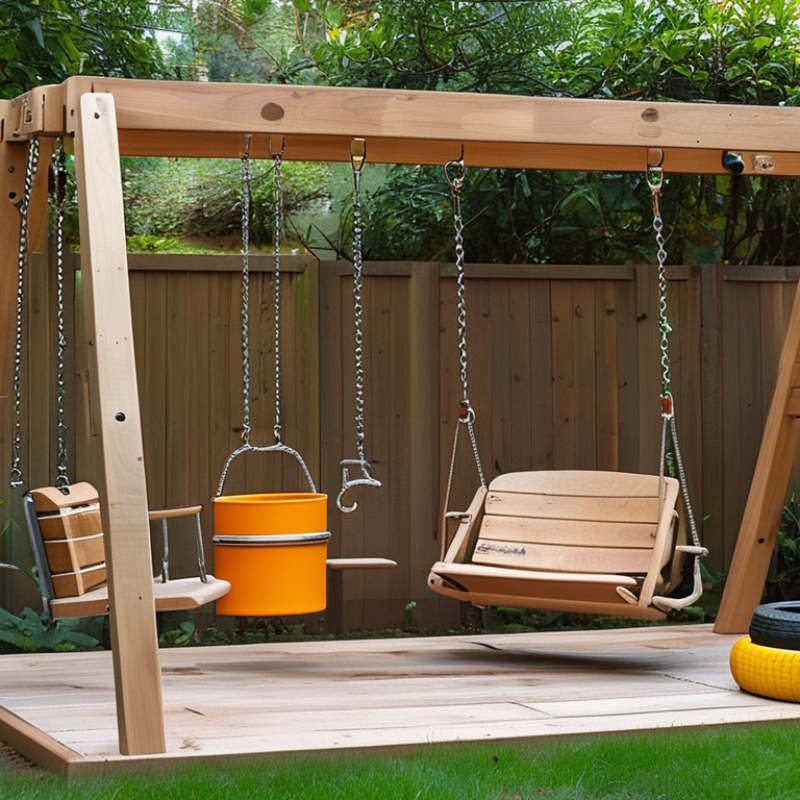
What Are the Top 10 Types of Backyard Swing Sets?

Understanding Backyard Swing Sets and Their Main Features

What Are the Top 10 Types of Backyard Swing Sets?

Backyard swing sets come in many forms, each serving a different play style. Common types include classic A-frame sets, tire swings, toddler swings, glider swings, rope swings, hammock swings, climbing domes, treehouse sets, compact playsets, and convertible sets. Their main features usually include swings, slides, climbing walls, ladders, platforms, and safety rails. A strong frame matters, but so does comfortable spacing between moving parts. Wooden frames feel natural, while metal frames often need less maintenance. Plastic components can provide softer edges for younger children.

Age, yard size, and surface conditions should guide your choice. Toddlers need secure bucket seats and lower platforms. Older children may prefer climbing features and taller slides. Measure the full movement zone, not only the frame footprint. I once underestimated how far a swing travels. That mistake can make a small yard feel crowded. Check bolts, anchors, ropes, and cracked surfaces regularly. Impact-absorbing ground materials also reduce injury risks, although they do not remove them.

Tips: Choose adjustable seats when children have different ages. Keep the set away from fences, walls, and tree branches. Inspect it after storms and heavy rain. Avoid overloading platforms beyond the maker’s stated limit. A level installation is essential. Slight slopes can create unexpected movement. Think about shade, drainage, and visibility from the house before installation.
Exploring Traditional and Single-Seat Swing Set Designs

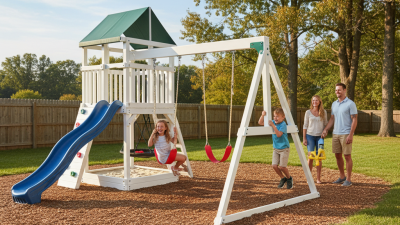
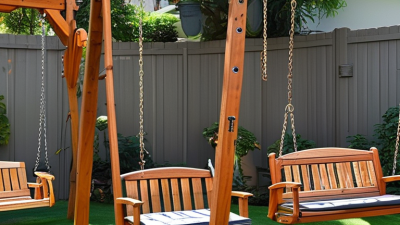
Backyard swing sets come in many forms, yet traditional and single-seat designs remain practical choices for family gardens. Traditional sets usually include two or more belt swings, a sturdy frame, and sometimes a slide or climbing wall. They suit siblings who want to play together. In a well-planned yard, leave clear space around each swing. Soft ground cover can reduce injury risk during accidental falls.

A traditional swing set needs more than strong posts. Inspect bolts, chains, seats, and anchor points regularly. Wooden frames may need sealing, while metal frames require checks for rust and sharp edges. A level surface matters too. A small slope can change how the frame carries weight. That detail is easy to miss.

Single-seat designs offer a quieter, more focused experience. They work well in smaller yards, narrow side spaces, or homes with one child. A bucket-style seat can support younger users, while a flat seat offers more movement for older children. Choose a seat that matches the child’s height, grip, and coordination. One seat also means less conflict, but it may limit shared play. In my view, that trade-off is sometimes underestimated. Some families prefer space-saving equipment, then realize children still want room to play together. The safest choice depends on supervision, available space, and realistic daily use.

Comparing Multi-Activity and Playset-Integrated Swing Sets

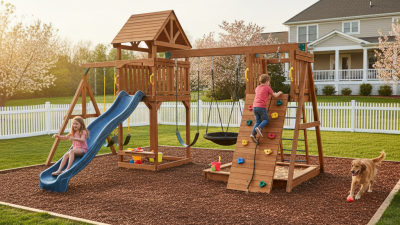
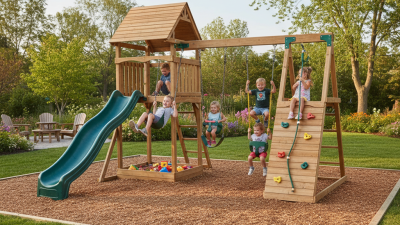
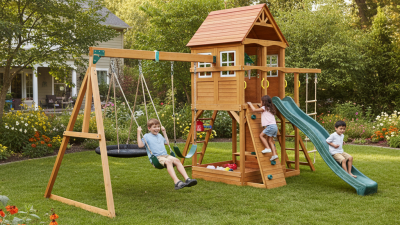
Among the top ten backyard swing-set types, multi-activity sets offer the broadest play value. They combine swings, slides, climbing walls, ladders, and sometimes forts. Playset-integrated swing sets attach the swings to one central structure. This design can save space and create smoother movement between activities. A child may climb, slide, and return to the swings without crossing the yard.

Space matters greatly.

The Centers for Disease Control and Prevention reports that more than 200,000 children receive emergency treatment for playground-related injuries annually in the United States. Falls represent a major share of these incidents. That figure makes layout, surfacing, and supervision more important than the number of accessories. The U.S. Consumer Product Safety Commission recommends protective surfacing, clear use zones, and regular hardware checks. ASTM F1148 also provides performance guidance for home playground equipment.

Multi-activity sets usually suit larger yards and active siblings. However, extra components create more climbing points, blind corners, and maintenance tasks. Integrated sets often feel more compact and easier to monitor from a patio window. Their limitation is variety. Children may outgrow the fixed layout sooner.

In my experience, a two-swing design with generous spacing can outperform a crowded set with six activities. That assumption deserves testing, because children use equipment unpredictably. Check bolt tightness, wood condition, swing-seat clearance, and impact material every month. A level installation area remains essential.

Reviewing Specialty Swing Sets for Different Ages and Needs

Backyard swing sets should match a child’s age, confidence, and physical needs. For toddlers, bucket-seat swings offer better torso support than standard belt seats. Belt swings suit older children who can balance independently. Disc swings encourage side-to-side movement, while tire swings provide a wider, rotating seat. Glider swings allow two children to move together, but they need careful supervision. Saucer swings offer a nest-like surface for relaxed swinging. Trapeze swings build grip strength and coordination, although younger users may fall easily. Rope swings need strong anchoring and generous clearance. Adaptive swings can support children with limited mobility. Multi-station sets combine several features, but more equipment also means more inspection points.

The U.S. Consumer Product Safety Commission estimates that playground equipment causes about 200,000 emergency-department-treated injuries among children under 14 each year. That figure makes installation quality more important than appearance. ASTM playground standards emphasize protective surfacing, spacing, structural strength, and entrapment prevention. I would check every bolt, connector, and swing hanger before use. Age labels help, but they are not perfect. A confident four-year-old may still lack safe judgment. A taller frame is not automatically better. According to CDC injury-prevention guidance, falls remain a major source of childhood injuries, so place equipment over impact-absorbing material, not bare soil or concrete. I would also leave clear space around each swing, keep climbing routes visible, and inspect ropes after rain, frost, or heavy use. Photos can mislead. Hands-on checking matters.

What Are the Top 10 Types of Backyard Swing Sets?

Specialty swing sets serve different developmental stages, from supported toddler swings to more advanced climbing and balance equipment.

The chart shows broad typical age ranges in years. Actual suitability depends on the equipment design, installation, supervision, and the manufacturer’s safety instructions. Age bands reflect common playground-safety groupings rather than a universal rule.

Choosing the Right Backyard Swing Set for Your Space and Family

What Are the Top 10 Types of Backyard Swing Sets?

Choosing the Right Backyard Swing Set for Your Space and Family

Choosing a backyard swing set starts with your yard, not a product list. The ten common types include belt swings, toddler swings, tire swings, gliders, saucer swings, rope swings, platform swings, wooden sets, metal sets, and combination units. Measure twice. A small yard may suit a two-seat frame with eight feet of clearance. Larger families often need separate seats, shade, and climbing space. Leave room for movement, mowing, and adult supervision.

Safety deserves more attention than appearance. The U.S. Consumer Product Safety Commission reports roughly 200,000 playground-related emergency injuries among children each year. Falls cause most of these injuries. Install the frame over impact-absorbing material, not bare soil or concrete. ASTM F1148 provides a useful performance benchmark for home playground equipment. It also encourages checking entrapment risks, guardrails, hardware, and platform height. Numbers cannot replace observation.

Consider your children’s ages and changing abilities. A bucket-style seat may help a younger child, while a standard belt seat offers longer use. Inspect bolts monthly. Look for cracked plastic, splinters, rust, and loose anchors. I once underestimated how quickly a sunny yard could weaken a plastic seat. That mistake changed my maintenance routine. A swing set can fit beautifully, yet still feel wrong if adults cannot reach every seat easily. Choose the layout you can supervise confidently.

What Are the Top 10 Types of Backyard Swing Sets? Choosing the Right Backyard Swing Set for Your Space and Family

Type of Swing Set Typical Configuration Recommended Age Range Typical Footprint Typical Swing Capacity Space Requirements Main Advantages Important Considerations
1. Classic A-Frame Swing Set Two A-shaped supports with one or more belt or bucket swings 3–12 years, depending on the swing seats Approximately 8–12 ft wide × 6–8 ft deep Usually 2–3 swings Allow at least 6 ft of clear space in front, behind, and beside the frame Simple design, easy supervision, and efficient use of space Requires a level surface and secure anchoring; swing clearance must remain unobstructed
2. Toddler Swing Set Low frame fitted with enclosed bucket seats or harness-style seats Approximately 6 months–4 years, according to the seat manufacturer Approximately 6–9 ft wide × 5–7 ft deep Usually 1–2 swings Needs a compact, visible area with soft protective surfacing Provides added support for young children and is generally lower to the ground Children should be supervised; enclosed seats are not intended for older or larger users
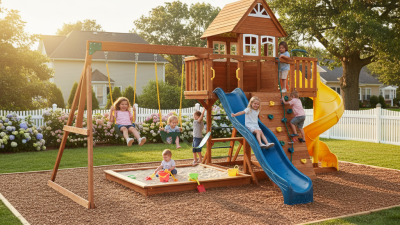
3. Wooden Playset with Swings Swings combined with a raised platform, ladder, slide, or climbing wall 3–12 years Approximately 12–20 ft wide × 12–18 ft deep Usually 2–3 swings Requires a large level area and a generous fall zone around elevated equipment Offers multiple activities and can serve several children at once Needs regular checks for splinters, rot, loose hardware, and weather-related wear
4. Metal Swing Set Powder-coated or galvanized metal frame with interchangeable swing seats 3–12 years, depending on the design Approximately 8–14 ft wide × 6–9 ft deep Usually 2–4 swings Needs a stable, level base and protection from hard surfaces Often lightweight, durable, and relatively easy to clean Metal can become hot in direct sunlight; inspect for rust, sharp edges, and loose joints
5. Tire Swing Set One suspended tire that rotates or swings from a single overhead point Typically 5–12 years Approximately 8–12 ft wide × 8–12 ft deep Usually 1 tire swing Needs a wide circular clearance area because the tire can move in several directions Encourages shared play and provides a different swinging motion Use a properly rated swivel and suspension system; inspect the tire and ropes or chains frequently
6. Saucer or Nest Swing Set Wide fabric or rope platform suspended from one or two overhead points Commonly 3–12 years; check the seat rating Approximately 8–12 ft wide × 6–10 ft deep Usually 1 large swing, often shared by 2–3 children Requires generous clearance in every direction around the seat Comfortable for relaxed swinging, social play, and gentle movement Check weight limits, suspension points, stitching, and fabric condition regularly
7. Glider or Face-to-Face Swing Set Two seats connected to a shared frame that moves back and forth Approximately 4–12 years Approximately 7–10 ft wide × 5–8 ft deep Usually 2 children Needs front-and-back clearance and a firm, level surface Supports cooperative play and does not require children to pump independently Moving parts should be checked for pinch points, wear, and secure fasteners
8. Compact Apartment- or Patio-Size Swing Set Small freestanding frame with one swing or a swing-and-slide combination Approximately 2–8 years Approximately 5–9 ft wide × 4–7 ft deep Usually 1–2 swings Designed for smaller yards but still requires a compliant protective fall zone Fits limited outdoor spaces and is generally easier to relocate Verify that the structure is stable on the intended surface and suitable for the child’s size
9. Tree-Mounted Swing Single or multiple seats suspended from a suitable tree branch or support beam Usually 5 years and older, depending on the seat type Varies; the usable clearance zone is commonly at least 12 ft in diameter Usually 1–2 swings Requires a healthy, strong branch and a clear, soft landing area Uses existing landscape features and can have a small visual footprint A qualified assessment may be needed; never attach equipment to weak, damaged, or narrow branches
10. Multi-Station Adventure Swing Set Several swing types combined with climbing, balancing, or hanging elements Approximately 5–12 years Approximately 14–24 ft wide × 14–20 ft deep Usually 3–5 activity stations Needs the largest footprint and clearly separated fall zones for each activity Provides variety, active exercise, and play options for children of different abilities Costs more space and maintenance; every component should be age-appropriate and securely anchored

Dimensions and age ranges are typical planning estimates, not universal specifications. Always follow the installation instructions, user limits, and safety clearances supplied with the selected swing set.