Choosing a reliable solid wood door manufacturer requires more than comparing photos and factory claims. Buyers must examine timber quality, construction methods, moisture control, finishing systems, hardware compatibility, and after-sales support. A beautiful door can still warp if the wood was poorly seasoned or the edge sealing was neglected.
Frank Lloyd Wright, the influential American architect, said, “Wood is universally beautiful to man. It is the most humanly intimate of all materials.” His words explain why Solid Wood Doors remain popular in luxury homes, hotels, villas, and heritage-style projects. Their grain, weight, warmth, and repairability create a physical experience that engineered materials often cannot fully reproduce.
This guide introduces China’s top 10 Solid Wood Doors manufacturers for international buyers. It considers production experience, material sourcing, customization capacity, quality control, export service, and project references. The selection is not based on marketing language alone. Factory equipment, sample details, certifications, packaging, and communication standards also matter.
No ranking is perfect.
Manufacturers may excel in different areas. One may offer stronger customization, while another provides better delivery consistency or competitive pricing. Buyers should request moisture specifications, wood species information, finish samples, and written tolerances before placing an order. Site conditions also deserve attention, especially humidity and installation quality.
The right supplier should not only sell an attractive door. It should understand how that door will perform after installation. This practical comparison aims to reduce costly surprises and help buyers make a more informed, evidence-based decision.
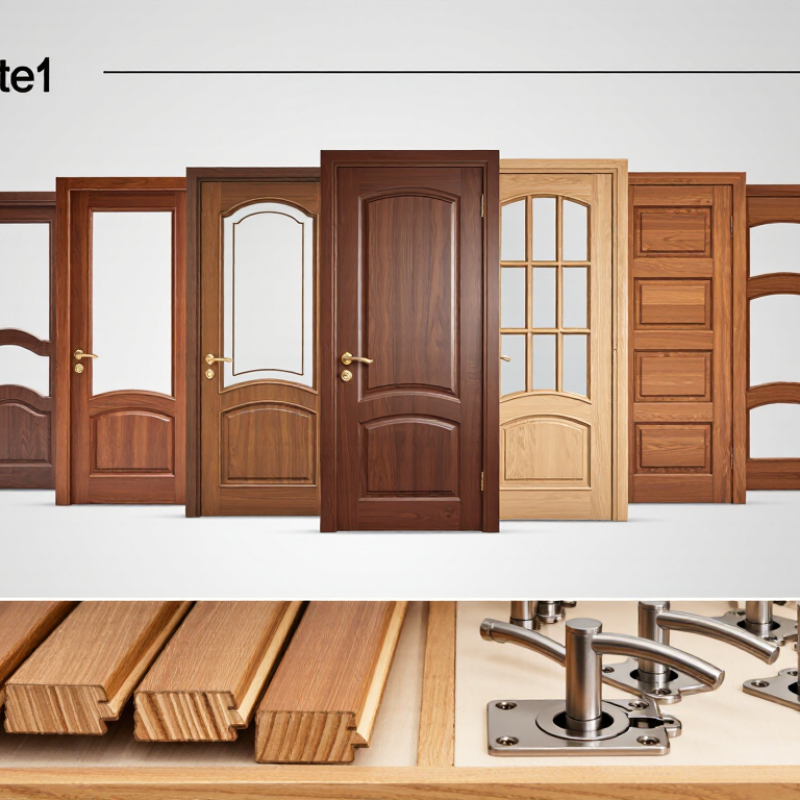
A reliable solid wood door manufacturer in China proves quality through process, not attractive showroom photos. Buyers should examine timber sourcing, kiln-drying records, and moisture-control procedures. Stable moisture levels reduce warping, cracking, and joint movement after installation. Ask for recent inspection reports, production photos, and clear material specifications.
Manufacturing experience becomes visible in small details. Check how the factory builds corner joints, reinforces door edges, and protects the surface during transport. Skilled teams usually explain wood movement without vague promises. They can also provide samples showing paint adhesion, grain matching, hinge preparation, and dimensional tolerance. A dependable manufacturer confirms these details before mass production, not after a problem appears.
Reliability also depends on communication and accountability. The supplier should use written drawings, approved samples, and defined inspection stages. Independent testing can support claims about strength, finish performance, and fire-related properties where required by the destination market. Certifications matter, but they should be verifiable and relevant to the product.
Do not trust confidence alone.
A polished factory may still overlook packaging, lead times, or replacement procedures. Even experienced manufacturers can make mistakes when specifications are incomplete. Buyers should test a sample, review contract terms, and confirm how defects will be handled. This extra work feels slow, yet it often reveals whether a manufacturer values long-term cooperation over a quick order.
| Rank | Anonymous Manufacturer Profile | Primary Solid Wood Species | Typical Door Thickness | Moisture-Control Practice | Construction Standard | Quality Evidence Available | Customization Capability | Export Packaging | Buyer Reliability Indicator |
|---|---|---|---|---|---|---|---|---|---|
| 1 | Profile A — Premium export-focused plant | Oak, ash, walnut, teak | 40–60 mm | Kiln drying with batch moisture records; commonly targeted at 8–12% | Mortise-and-tenon or engineered solid-core construction | Pre-shipment inspection, material photos, moisture report, sample approval | Custom dimensions, profiles, stains, hardware preparation | Moisture-resistant wrapping, corner protection, export-grade cartons or crates | Strong documentation and stable process control |
| 2 | Profile B — Large-volume project supplier | Rubberwood, oak, ash | 38–55 mm | Controlled kiln drying and acclimatization before machining | Finger-jointed or laminated solid-wood components for dimensional stability | Production schedule, inspection checklist, batch labeling | Standardized designs with project-based sizing and finish options | Palletized loading with separators and protective film | Suitable for repeat orders and coordinated deliveries |
| 3 | Profile C — Custom architectural door workshop | Walnut, oak, sapele, ash | 45–80 mm | Species-specific moisture targets and individual component checks | Traditional joinery, raised panels, concealed reinforcement where required | Shop drawings, finish samples, approval samples, dimensional reports | High; complex profiles, oversized doors, carvings and special finishes | Custom crates, desiccant packs and shock-protection materials | Best suited to bespoke residential and hospitality projects |
| 4 | Profile D — Mid-market OEM manufacturer | Pine, rubberwood, poplar, oak veneer combinations | 35–50 mm | Kiln-dried material with incoming inspection | Solid-wood frame with stable panel construction | Pre-production sample, basic inspection report and packing list | Logo-free OEM production, standard designs and finish matching | Standard export cartons and pallet wrapping | Good balance of price, flexibility and production capacity |
| 5 | Profile E — Certified timber-focused supplier | FSC-available oak, ash, rubberwood and pine | 38–60 mm | Traceable material batches and kiln-drying documentation | Solid wood or mixed construction clearly specified in quotations | Chain-of-custody documents where applicable; material declarations | Moderate to high; ecological finishes and standard custom sizes | Fumigated wooden cases or compliant alternative packaging | Strong option when timber traceability is a purchasing requirement |
| 6 | Profile F — Interior door specialist | Pine, fir, poplar, oak | 35–45 mm | Standard kiln-drying procedure with visual defect grading | Frame-and-panel doors for bedrooms, offices and interior applications | Color cards, sample doors and basic dimensional inspection | Standard sizes, groove patterns, paint and stain choices | Foam protection, carton packaging and pallet loading | Efficient for residential interior-door programs |
| 7 | Profile G — Exterior solid-door manufacturer | Teak, meranti, sapele, oak | 50–90 mm | Low-moisture timber selection, sealing of end grain and acclimatization | Weather-resistant multi-layer solid-wood construction | Coating system data, water-resistance guidance and installation details | Exterior stains, glazing, threshold and multi-point lock preparation | Reinforced crates with moisture barriers and hardware protection | Reliable when climate exposure and coating maintenance are addressed |
| 8 | Profile H — Boutique low-volume exporter | Oak, walnut, ash, elm | 40–70 mm | Manual inspection supported by kiln-drying records | Hand-finished solid panels and traditional joinery | Detailed product photographs, sample approval and final inspection video | High design flexibility but limited repeat-production volume | Individual wrapping and reinforced corner protection | Strong craftsmanship; confirm lead time and replacement capacity |
| 9 | Profile I — Cost-efficient standard door plant | Pine, fir, rubberwood | 30–45 mm | Basic kiln drying and visual sorting | Standard frame-and-panel or laminated solid-wood designs | Commercial invoice, packing list, sample and basic inspection photos | Limited to standard dimensions, profiles and finishes | Cartons, foam inserts and palletized shipment | Competitive pricing; require strict pre-shipment inspection |
| 10 | Profile J — Integrated door-and-hardware supplier | Oak, ash, pine, rubberwood | 38–60 mm | Kiln-dried components with hardware and door-leaf fit checks | Door leaf, frame, hinges, locks and accessories coordinated as one package | Assembly drawings, hardware schedules, inspection checklist and packing labels | Door sets, pre-hung units, hinge routing and lock preparation | Component-separated packing with installation identification labels | Reduces coordination work for complete door-set purchases |
Buyer note: Timber species, moisture content, construction method, certifications, dimensions and packaging requirements should be confirmed through technical drawings, approved samples, inspection records and written purchase specifications before ordering.