Menu
Monday
9:00-5:00
Tuesday
9:00-5:00
Wednesday
9:00-5:00
Thursday
9:00-5:00
Friday
9:00-5:00
Saturday
9:00-4:00
Sunday
CLOSED
Choosing among today’s playground swing sets is not as simple as comparing colors, prices, or the number of seats. A dependable set should fit the children, the yard, and the adults responsible for supervision. It should also provide stable framing, secure swing hangers, smooth surfaces, and clear assembly instructions. Small details matter. A sharp edge or weak anchor can change the entire experience.
Play expert Tim Gill has said, “Play is not a luxury. It is a necessity.” That idea guides this buying review. The best playground swing sets should support active movement without creating avoidable risks. They should encourage climbing, swinging, and imaginative play while remaining practical for everyday family use. Materials deserve close attention, too. Powder-coated metal can resist weather, while treated wood may offer a warmer appearance. Neither option is automatically perfect.
Real-world performance can be less predictable than a product page suggests. Some sets look spacious online but feel cramped after installation. Others require more ground preparation than expected. That is worth remembering. We will compare swing height, weight limits, anchoring methods, maintenance needs, safety spacing, and age suitability. We will also consider how each set handles rain, strong sunlight, and repeated use.
The goal is not to identify one universal winner. Every backyard has different limits. Instead, this guide examines which playground swing sets offer a sensible balance of safety, durability, comfort, and value. Careful checking is essential before purchase, especially when product specifications appear incomplete or overly optimistic.
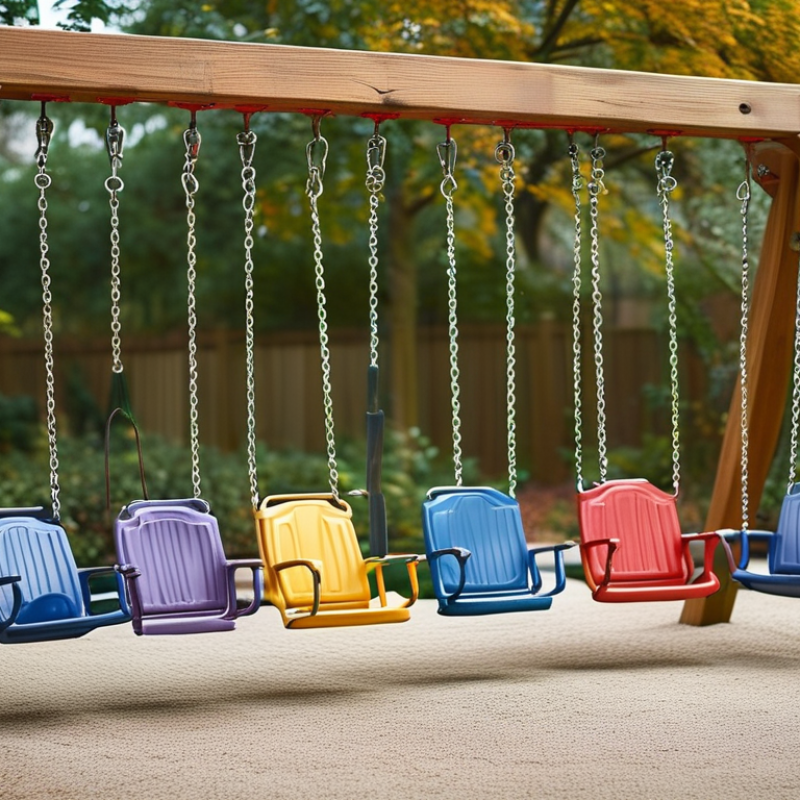
Belt swing sets are a practical choice for homes, schools, and community play areas. Their flexible seats support ordinary forward-and-back movement. Look for weather-resistant seats, covered chains, and strong, rounded connectors. A set with adjustable-height chains can serve children of different ages. The frame should stand firmly on level ground. No wobbling.
Bucket swings provide extra body support for toddlers. Their high backs and front barriers help reduce slipping during gentle movement. However, adults should check the openings carefully. Small fingers, loose clothing, and long drawstrings can create avoidable risks. The seat should fit the child, not merely match the equipment’s age label.
Tire swings offer a different experience. They rotate, sway, and encourage group play. Choose a smooth, durable tire with drainage holes, wide suspension points, and enough clearance from nearby structures. A single-point design moves more freely, while multi-point suspension usually feels steadier. I have found that children enjoy the motion, but adults often underestimate the space needed around it.
Wooden swing sets can include climbing walls, slides, and small platforms. Metal frames often provide a slimmer profile and simpler cleaning. Composite materials resist splinters, although they may become hot in direct sunlight. Check every bolt, anchor, weld, and surface before use. Even a well-designed set can become unsafe after poor installation or neglected maintenance. My own judgment can be imperfect, so a second inspection is worthwhile.
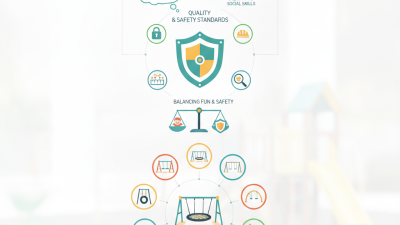
Age should guide the frame, seat, height, and surrounding clearance. For children six months to two years, choose a full bucket seat with leg openings and a secure restraint. Keep the platform low, with impact-absorbing surfacing beneath it. The U.S. Consumer Product Safety Commission’s Public Playground Safety Handbook separates guidance into 6–23 months, 2–5 years, and 5–12 years. That distinction matters. For ages two to five, a low swing with a belt and limited speed is usually more suitable. Preschoolers need independence, but not adult-sized exposure. Children five to twelve can use belt or flat seats, provided the structure matches their reach and coordination. Do not treat a larger frame as better value.
Check the equipment against ASTM F1148 the consumer safety standard for home playground equipment. Look for rounded edges, enclosed hooks, pinch-point protection, and generous spacing between swings. CPSC data estimates that roughly 200,000 children receive emergency-department treatment annually for playground-related injuries in the United States. Falls remain a major concern. Measure the ground before buying. Many families forget the side clearance. Use an impact-absorbing surface, not bare soil or concrete. Sand, engineered wood fiber, and rubber surfacing still require proper depth and maintenance.
Here is the uncomfortable part: age labels cannot replace supervision. I would rather choose a smaller set and inspect its bolts weekly than buy a tall structure that looks impressive. That choice feels less exciting, perhaps. It is more defensible. Recheck the seat height as children grow, because the safest swing set can become unsuitable surprisingly quickly.
The best playground swing set is not simply the largest or most attractive model. It should meet current safety standards for your region, such as requirements covering fall zones, entrapment, and structural strength. Check the product documentation carefully. Look for smooth edges, secure seats, covered fasteners, and enough space between swings. A soft surface, such as engineered wood fiber or certified rubber surfacing, should extend across the complete fall area. Grass may look harmless, but it offers limited protection after rain or repeated use.
Material choice affects safety and maintenance. Galvanized steel resists corrosion, while properly treated wood can provide strength and a warmer appearance. Wood needs regular checks for cracks, splinters, and moisture damage. Plastic parts should resist ultraviolet exposure and remain stable during temperature changes. Stainless or coated hardware is preferable, especially in damp climates. Small details matter.
Installation requires more than tightening bolts. The ground should be level, stable, and clear of buried utilities. Anchors must follow the manufacturer’s specifications, and concrete should fully cure before use. Recheck every connection after the first few days. I would not assume a certified set is automatically safe after installation; poor assembly can create serious hazards. I have also seen how rushed maintenance causes avoidable problems. Leave enough clearance from fences, walls, trees, and other play equipment, then inspect the structure before each use.
What Are the Top Playground Swing Sets to Buy?
Comparing Popular Swing Set Designs, Sizes, and Price Ranges
The best swing set depends on yard space, children’s ages, and expected use. A compact two-seat design suits smaller gardens and younger children. These sets often cost between $250 and $600. Space matters. Look for sturdy frames, rounded edges, and adjustable swing heights. A simple belt seat works well for toddlers, while a flexible nest seat offers more room and comfort.
Medium wooden or metal sets usually include two swings, a slide, and a small climbing wall. Their typical price ranges from $600 to $1,500. Larger designs may add a fort, monkey bars, and a second slide. Expect to pay $1,500 to $3,000 or more, depending on materials and installation. In my experience, extra play features are useful only when children regularly use them. I once underestimated the space needed around a slide. Measure twice. Leave clear ground zones around every exit and swing path. Check weight limits, anchoring hardware, and weather-resistant finishes before buying. Professional installation can improve stability, although it increases the final cost. Metal frames usually need less maintenance, while wood creates a warmer appearance but may require periodic sealing. Prices vary. A cheaper set may seem practical, yet thinner hardware can create replacement costs later. Families should compare warranty terms, replacement parts, and assembly instructions, not only the advertised price.
Comparing popular swing set designs, sizes, and typical U.S. price ranges
Compact bucket-seat sets are usually the most affordable and space-efficient choice for younger children. Belt-seat sets provide more room for active play, while multi-station and wooden fort designs typically cost more because they include larger platforms, slides, climbing features, and wider footprints. Prices shown are representative U.S. retail ranges and may vary by materials, accessories, installation, and seasonal promotions.
When choosing a playground swing set, maintenance should influence your decision as much as design. A sturdy frame, adjustable seats, and replaceable hardware make long-term care easier. Check that the set has stable anchors and enough clearance from fences, trees, and walls. Swing seats should feel flexible but not cracked, sharp, or sticky.
Inspect the entire structure every month. Tighten loose bolts, examine chains for rust, and test each anchor after heavy rain. Wooden frames need a smooth surface, sealed ends, and regular checks for splinters or soft spots. Metal frames require attention around welds and joints, where corrosion can begin quietly. I recommend taking close photographs during inspections. Small changes are easier to compare later.
Keep the ground protective and level. Refill loose-fill surfacing when it becomes thin, compacted, or displaced beneath the swings. Grass may look attractive, but it offers limited protection during a fall. Clean seats and handholds with mild soap, then let them dry fully. Avoid harsh chemicals that can weaken finishes or irritate skin. Even careful owners miss hidden wear. That is the part worth reconsidering. A quick visual check is useful, but pressing, turning, and gently testing each component reveals problems sooner. Follow the installation guide, and replace damaged parts instead of improvising repairs.