2026 Best Outdoor Playground Equipment for Global Buyers
Global buyers entering the 2026 playground market face strong growth and difficult choices. Outdoor playground equipment now combines physical activity, inclusive design, digital planning, and stricter safety expectations. Grand View Research estimated the global playground equipment market at approximately USD 5.8 billion in 2023. Its report also projects steady growth through 2030. Fortune Business Insights reported a different market value and forecast range. Definitions vary across research firms. Forecasts are not promises.
A shaded climbing tower, impact-absorbing surfacing, and accessible swings can change a site’s daily experience. Buyers must examine materials, drainage, maintenance access, age separation, and installation conditions. ASTM F1487 and EN 1176 provide important safety references, but local requirements still need verification. Playground historian Susan G. Solomon described playgrounds as “the largest public art form in America.” Her observation matters for global purchasing. Equipment is not merely steel, plastic, and rope. It shapes movement, confidence, social contact, and neighborhood identity.
This guide compares leading outdoor playground equipment for 2026. It considers durability, safety documentation, inclusive access, climate resistance, lifecycle cost, and supplier reliability. Some product claims sound impressive. They still require evidence. Buyers should request test reports, warranty terms, replacement-part policies, and installation records. A low purchase price may conceal expensive repairs. A premium finish may fail in intense sunlight or coastal air. No checklist removes every uncertainty. Careful judgment remains essential.
Outdoor Playground Equipment: Definition, Types, and Core Components
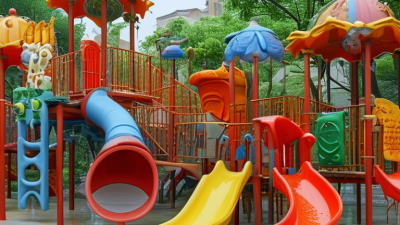
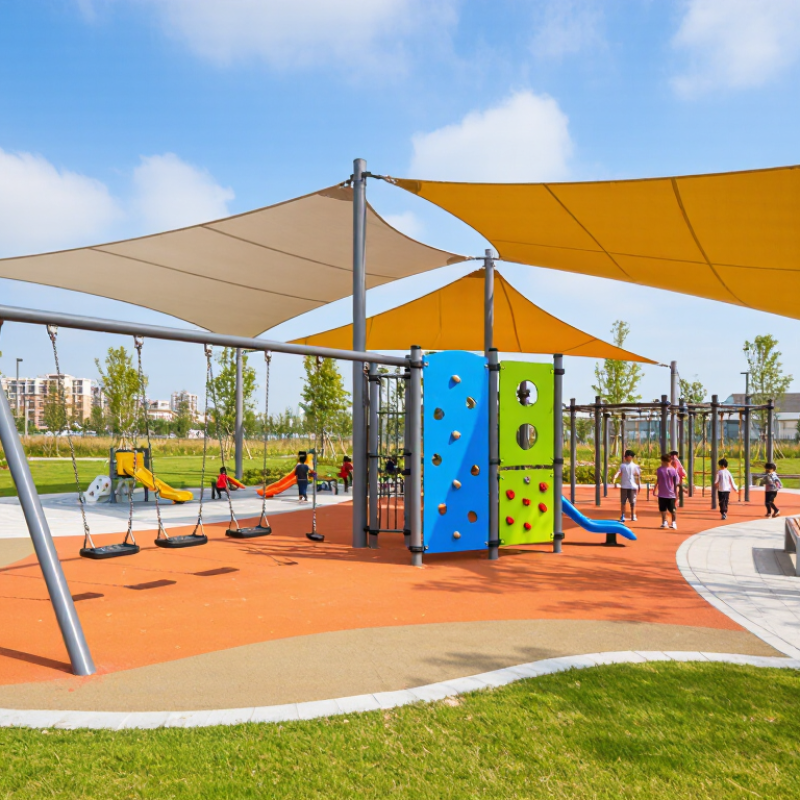
Outdoor playground equipment is a planned system for children’s physical, social, and sensory play. It includes climbing frames, slides, swings, balance paths, sand areas, and interactive panels. Each type supports different movement patterns. Climbing builds coordination, while swings develop balance and spatial awareness. A playground should offer challenge without creating unnecessary danger.
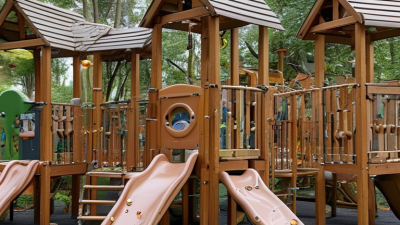
Core components include structural posts, platforms, connectors, guardrails, steps, impact-absorbing surfaces, and drainage systems. Materials may include treated timber, coated steel, stainless steel, or durable recycled plastic. Every component needs suitable strength, smooth edges, and reliable fixing points. During practical inspections, loose bolts and worn surfacing often reveal more than attractive product photos. Small details matter.
Global buyers should request drawings, material specifications, age recommendations, maintenance schedules, and safety test records.
Local climate also changes the decision. Strong sunlight can weaken some plastics, while coastal air may accelerate metal corrosion. A good layout separates active zones from quiet areas and leaves clear access for supervision. Design errors happen. A higher slide is not automatically better. Children need varied play, and operators need realistic inspection routines. Checking drainage after heavy rain can expose weaknesses that factory documents miss. Suppliers should explain installation limits, replacement parts, and cleaning requirements in clear language. Availability of local service is valuable, but it is sometimes overlooked during price comparisons.
Key Safety Standards for Playground Equipment in 2026
For global buyers, safety standards must guide every playground decision in 2026. The U.S. Consumer Product Safety Commission reported more than 200,000 annual emergency-department visits linked to playground equipment. Falls remain a major injury mechanism. That figure makes surface protection and fall-height control essential, not optional.
Equipment should be assessed against ASTM F1487, EN 1176, or the applicable national standard. These frameworks address entrapment openings, sharp edges, guardrails, impact zones, structural strength, and installation quality. EN 1176 also emphasizes inspection and maintenance after installation. Design details matter. A platform may pass factory testing but fail after uneven ground settlement. Buyers should request test reports, material specifications, and installation procedures, not only compliance certificates.
Impact-attenuating surfacing needs careful measurement. Loose-fill materials can compact, scatter, or freeze, reducing protection beneath a slide or climbing frame. CPSC guidance recommends checking surfacing depth and extending it around equipment, especially in high-fall areas. Inspect the whole system. Drainage, fasteners, welds, shade structures, and access routes deserve equal attention. A practical procurement plan should include commissioning tests and scheduled inspections. Some buyers still focus too heavily on colorful design and low purchase price. That approach needs rethinking. Standards reduce risk, but they cannot replace competent installation, local climate evaluation, and disciplined maintenance.
2026 Best Outdoor Playground Equipment for Global Buyers
The chart shows the U.S. Consumer Product Safety Commission’s recommended maximum platform heights for two age groups: 6 ft (1.83 m) for preschool-age equipment and 8 ft (2.44 m) for school-age equipment. Global buyers should also verify applicable requirements such as EN 1176, ASTM F1487, AS 4685, and local accessibility and surfacing regulations. EN 1176 evaluates critical fall height based on the specific equipment design rather than using one universal platform-height limit.
How to Choose Equipment for Different Ages and Outdoor Spaces
Choosing outdoor playground equipment starts with children, not catalogs. Toddlers need low platforms, broad steps, handrails, and short slides with gentle exits. Preschoolers benefit from climbing nets, balance beams, and small turning spaces. School-age children usually seek height, speed, and challenge. Separate age zones when possible. A clear fence line reduces collisions. Measure twice. A two-meter fall zone can change the whole plan.
Outdoor space shapes equipment choices. A compact courtyard may suit a modular tower, sensory panels, and a shaded bench. A wide park can support swings, rotating equipment, and longer climbing routes. Check drainage after heavy rain, not only on a sunny visit. Hard soil, roots, slopes, and strong coastal wind can affect foundations. Select impact-absorbing surfacing appropriate to the equipment height. Keep routes firm and accessible for wheelchairs and caregivers. Shade matters. Metal surfaces can become dangerously hot in direct summer sun.
Reliable purchasing requires documented load ratings, installation instructions, material details, and a practical inspection schedule. Ask whether replacement parts remain available across the expected service life. Confirm that the design follows applicable local safety rules and accessibility requirements. A qualified installer should verify anchoring and clearances on site. Do not trust attractive drawings alone. They can hide maintenance gaps. I would also leave room for future changes, although this can make the first layout less exciting. Children grow quickly, and equipment serving only one age group may soon feel wasteful. Review the plan with caregivers, maintenance staff, and children before ordering.
Materials, Durability, Accessibility, and Climate Adaptation
For global buyers, material selection should match daily use and local weather. Powder-coated steel offers strong frames, but damaged coatings can invite rust. High-density plastic resists moisture and splinters, yet it may fade under intense sunlight. Hardwood feels warm and natural, though it needs regular sealing and inspection. Ask suppliers for material specifications, maintenance records, and independent safety testing. Do not rely on attractive product photographs alone.
Durability depends on more than thick components. Loose bolts, sharp edges, trapped water, and poor drainage often cause early failures. In practical site reviews, I would inspect welds, fasteners, floor anchors, and moving joints before judging the design. A ramp is not enough. Accessible platforms need suitable widths, stable handrails, transfer points, and clear ground surfaces. Inclusive layouts should support children with different mobility, sensory, and communication needs. Some designs look accessible but remain difficult to use.
Climate adaptation requires specific planning. In hot regions, shaded roofs and light-colored surfaces can reduce heat exposure. Rubber surfacing may become uncomfortable under direct sun, so surface temperature checks matter. Coastal projects need corrosion-resistant fasteners and frequent washing. Cold areas may require materials that remain reliable during freezing and thawing. No material performs perfectly. I once underestimated drainage, and repeated rain exposed the mistake. Buyers should request climate-specific testing, replacement guidance, and realistic service intervals before installation.
Global Purchasing Factors: Suppliers, Costs, Installation, and Maintenance
For global buyers, playground value starts with the supplier, not the catalogue price. Request factory audits, material specifications, load testing, and installation drawings. ASTM F1487 and EN 1176 address different safety expectations, so confirm the target market before ordering. The U.S. Consumer Product Safety Commission reports about 200,000 playground injuries treated in emergency departments annually. That figure makes safety documentation a purchasing requirement, not a sales extra. Freight, import duties, foundations, safety surfacing, and local labor can significantly increase the landed cost. A low quotation can be misleading.
Tips:
Compare total installed cost, not unit price. Ask for replacement-part availability and response times. Check whether drawings show drainage, fall zones, and accessible routes. Confirm the supplier’s warranty exclusions in writing. Small details matter.
Installation quality also affects long-term expense. Uneven anchoring can create movement, water pooling, and premature corrosion. The CPSC Public Playground Safety Handbook recommends regular inspections and immediate attention to hazardous defects. Create a maintenance log with dates, photos, torque checks, surfacing depth, and damaged components. High-use sites may need weekly visual checks and professional quarterly reviews. Coastal locations require closer corrosion monitoring. Hot climates can weaken some plastics and make metal surfaces dangerously hot. These risks are easy to underestimate. In procurement reviews, buyers often focus on colorful structures and forget replacement logistics. That is an understandable mistake, but an expensive one. A practical supplier should provide manuals, training, spare-part lists, and clear maintenance responsibilities.