How to Choose the Best Outdoor Playground Set?
Choosing the best outdoor playground set involves more than comparing colors, prices, and attractive photographs. A safe, enjoyable play area should match your children’s ages, abilities, interests, and available space. Measure the ground carefully, including room for swings to move safely. Consider whether the set offers climbing, sliding, balancing, and imaginative play. These features can support physical confidence while keeping outdoor time varied.
Quality materials also matter. Powder-coated metal may resist rust, while treated wood can provide a warmer appearance. Check every platform, step, handrail, and connection point. Look for rounded edges, secure fasteners, stable supports, and clear weight limits. A certified playground professional or experienced installer can help identify risks that photographs hide. Soft surfacing, such as engineered wood fiber or rubber tiles, may reduce injury severity during falls. However, no surface removes every danger.
Your local climate should influence the decision. Strong sunlight can heat slides quickly, and heavy rain may damage poorly sealed wood. Shade, drainage, and regular inspections deserve attention. Children may outgrow a small set sooner than expected. That mistake is common. I have also found that adults often underestimate maintenance time. A loose bolt, faded surface, or cracked component should never wait for a convenient weekend.
The right outdoor playground set balances safety, durability, play value, and household budget. Compare manufacturer guidance, warranty coverage, replacement parts, and installation requirements before buying. A beautiful set is not necessarily the best set. Thoughtful planning creates a play space children can enjoy confidently for years.
Define Your Playground Goals, Space, and Intended Users
How to Choose the Best Outdoor Playground Set?
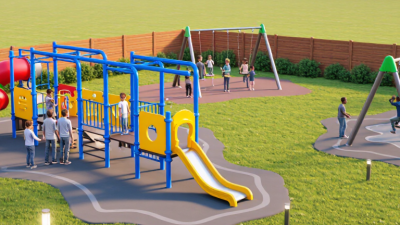
Define your playground goals before comparing equipment. Decide whether the space should encourage climbing, imaginative play, physical exercise, or social interaction. The intended users matter just as much. Toddlers need low platforms, wide steps, and gentle slides. Older children may prefer climbing nets, balance features, and faster challenges. Include children with different abilities when planning access and play routes.
Measure the ground carefully, including fences, trees, benches, and walking paths. Leave enough clearance around slides, swings, and moving parts. A playground can look small in a catalog but feel crowded outdoors. I once underestimated the space needed beside a slide. That mistake reduced visibility and made supervision uncomfortable. Check the surface, drainage, shade, and evening lighting before installation. Choose materials suited to local weather, then inspect fasteners, platforms, and protective surfacing regularly.
Tips: Sketch the layout with chalk first. Watch children use a similar playground. Notice where they wait, run, or avoid. Keep clear sightlines from seating areas. Ask an experienced installer to review fall zones and anchoring. Local safety requirements should guide the final design. A cheaper set may need more maintenance, which is easy to overlook. Reconsider the plan if one feature serves only one child at a time. Small changes can improve sharing, movement, and confidence.
Compare Playground Materials, Designs, and Weather Resistance
How to Choose the Best Outdoor Playground Set?
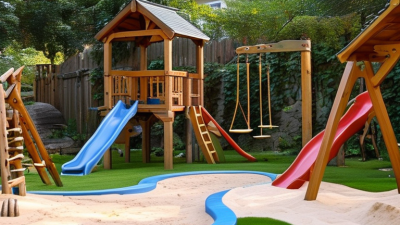
Material choice affects comfort, strength, maintenance, and lifespan. Powder-coated steel offers excellent structural support, but exposed scratches may rust. High-density plastic resists moisture and needs little painting. However, cheaper plastic can fade or become brittle under strong ultraviolet light. Treated wood feels warm and natural, yet it requires regular sealing. Check for smooth surfaces, rounded edges, corrosion-resistant fasteners, and secure joints. A sturdy frame means little if the swing seats crack.
Design should match children’s ages and abilities. Younger children need low platforms, short slides, handrails, and enclosed climbing areas. Older children may enjoy taller structures, challenging ladders, and varied movement. Keep clear sightlines between play zones. Caregivers should see the slide exit without walking around the equipment. Shade, drainage, and impact-absorbing surfacing deserve equal attention. A beautiful design can still be impractical.
Weather resistance is more than surviving rain. Strong sun tests color stability, while freezing temperatures expose weak seams and trapped water. Coastal air can accelerate metal corrosion. Look for UV-resistant components, sealed wood, sloped surfaces, and drainage holes. Inspect the set after storms and before each busy season. I once assumed thicker plastic always meant better quality. That was too simple. Manufacturing details and installation often matter more. Also, follow local safety requirements and the maker’s maintenance instructions.
Evaluate Safety Features, Standards, and Age-Appropriate Equipment
How to Choose the Best Outdoor Playground Set?
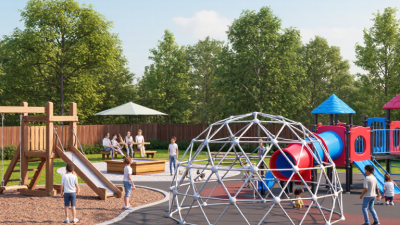
Safety should guide every playground decision, not colorful design alone. Look for sturdy frames, rounded edges, secure fasteners, and non-toxic, weather-resistant materials. Moving parts should resist pinching fingers. Platforms need guardrails, and slides should have smooth exits. Check the ground, too. Loose-fill surfacing or impact-absorbing mats can reduce injury risks around climbing areas.
A reliable playground set should meet recognized safety standards, such as ASTM or EN requirements, where applicable. Ask for current testing information and installation instructions. Standards can vary by country, so confirm local guidance before buying. I have found that vague safety claims deserve extra questions. A certificate alone does not guarantee correct assembly or safe daily use. Inspect bolts, cracks, rust, and unstable posts regularly. Small problems grow quickly outdoors.
Tips:
Match equipment to the child’s age, height, and confidence. Toddlers need low platforms, short slides, and enclosed openings. Older children may handle climbing walls, higher decks, and challenging balance features. Separate age zones when possible. Supervision still matters. Children often use equipment in unexpected ways, and adults may underestimate that risk. Leave clear space around swings and slides. Measure your yard before ordering. I once focused too much on the play features and overlooked shade, drainage, and visibility. That was a useful mistake. A safer choice considers the whole play area, not just the equipment itself.
Select the Best Outdoor Playground Set for Your Family
How to Choose the Best Outdoor Playground Set?
Selecting the best outdoor playground set starts with your family’s real routines. Count the children, their ages, and the available yard space. A set for a preschooler needs low platforms, short steps, and enclosed climbing areas. Older children may need challenging elements, but height should never replace stability.
The U.S. Consumer Product Safety Commission’s Public Playground Safety Handbook reports roughly 200,000 playground-related emergency injuries each year. Falls cause about three quarters of these injuries. That figure changes how I judge a set.
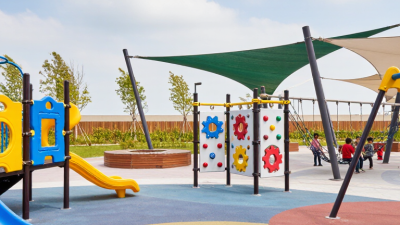
Inspect the ground before admiring the colors. Hard soil, concrete, and thin grass offer poor protection. Use a tested impact-absorbing surface, and extend it around slides, swings, and climbing exits.
Check for rounded edges, covered bolts, secure railings, and enough space between moving parts. ASTM F1148 provides safety guidance for residential playground equipment, but standards do not replace supervision. Keep clear sightlines from a kitchen window or patio. Small details matter.
Maintenance is easy to underestimate. A loose swing hook can become dangerous quickly. Check fasteners, wood, ropes, and surfacing every month, especially after storms.
No checklist is perfect. Your children may use the equipment differently than expected. Watch them play before deciding. If they repeatedly avoid a feature, it may be too difficult, uncomfortable, or simply unnecessary.
Choose durable design over extra accessories, and leave room for safe movement around the set.